
If you’ve recently started CPAP therapy, you’re probably asking yourself one important question: “Will I ever get used to sleeping with this machine?” The answer is yes but it takes the right approach.
Many people expect immediate results after starting CPAP therapy. While some notice improvements within the first night, others need several weeks to adapt. During this adjustment period, small issues like mask leaks, dry mouth, pressure discomfort, or difficulty falling asleep can make therapy feel frustrating.
The good news is that these problems are common and usually easy to fix. With the right equipment, proper mask fitting, and a few practical changes to your bedtime routine, you can Sleep Better with CPAP and enjoy deeper, healthier sleep every night.
This guide shares 15 expert-backed tips to help you become comfortable with your CPAP machine, improve therapy success, and wake up feeling refreshed.
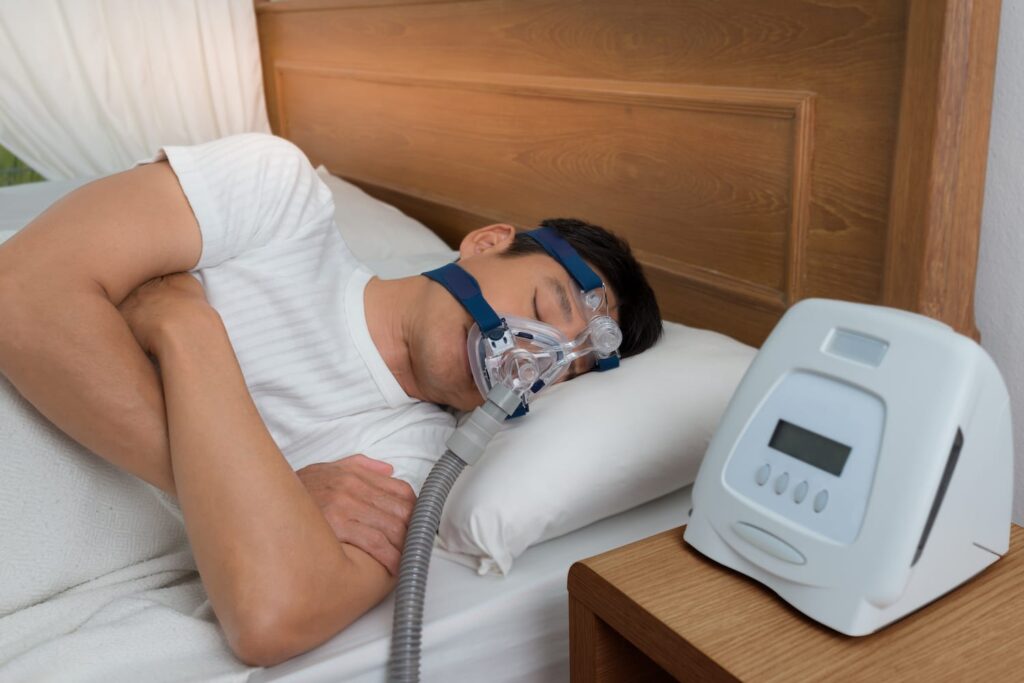
Why Is It Difficult to Sleep with CPAP at First?
Starting CPAP therapy is a major adjustment. Your body needs time to become comfortable breathing with positive airway pressure, and your brain must adapt to sleeping while wearing a mask.
During the first few weeks, many users experience:
- Feeling uncomfortable wearing the mask
- Difficulty falling asleep
- Air leaks around the mask
- Dry mouth or dry nose
- Claustrophobic feelings
- Removing the mask during sleep
- Waking up more often than usual
These challenges are completely normal. Most patients adapt within two to four weeks when they use the correct equipment and follow good CPAP habits.
Why You Should Continue Using Your CPAP Machine
Some people stop therapy after only a few nights because they assume CPAP isn’t working. However, consistency is the key to success.
Regular CPAP therapy helps:
- Prevent airway collapse
- Improve oxygen levels
- Reduce loud snoring
- Improve sleep quality
- Increase daytime energy
- Lower blood pressure
- Improve memory and concentration
- Reduce the risk of heart disease and stroke
Using your CPAP machine every night is one of the most effective ways to manage obstructive sleep apnea without surgery.
Tip 1: Give Yourself Time to Adjust
Don’t expect perfection during your first week.
Most sleep specialists recommend wearing your CPAP mask for short periods while reading, watching TV, or relaxing before bedtime. This helps your brain become familiar with the sensation of positive airway pressure.
Gradually, sleeping with the mask becomes natural.
Tip 2: Choose the Right CPAP Mask
One of the biggest reasons people struggle with therapy is wearing the wrong mask.
Different masks suit different sleeping habits.
Full Face Masks are ideal for:
- Mouth breathers
- High-pressure therapy
- Frequent nasal congestion
Nasal Masks are best for:
- Nose breathers
- Active sleepers
- First-time CPAP users
Nasal Pillow Masks work well for:
- Side sleepers
- People with claustrophobia
- Travelers
- Users who prefer minimal facial contact
Choosing the right mask significantly improves comfort and helps you Sleep Better with CPAP.
Tip 3: Make Sure Your Mask Fits Properly
A mask that is too tight causes pressure marks and discomfort, while a loose mask creates air leaks.
A properly fitted CPAP mask should:
- Seal comfortably against your face
- Prevent air leakage
- Feel secure without excessive pressure
- Stay in place throughout the night
If your mask leaks, consult your CPAP supplier about adjusting the size or trying a different model.
Tip 4: Use a Heated Humidifier
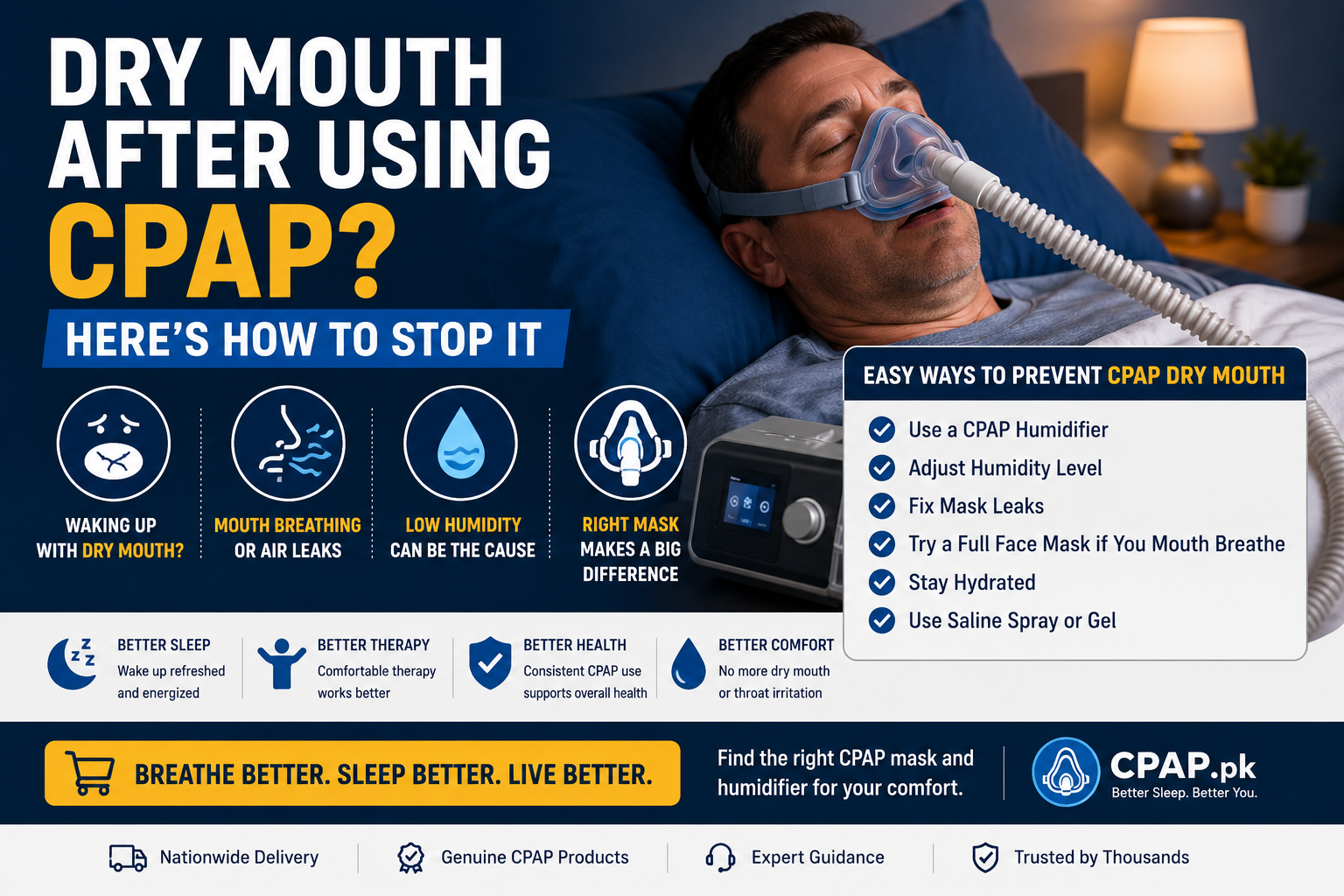
Dry air is one of the most common complaints among CPAP users.
A heated humidifier adds moisture to the airflow and helps reduce:
- Dry mouth
- Dry nose
- Sore throat
- Nasal irritation
- Morning congestion
Many modern CPAP machines include integrated humidifiers that greatly improve comfort.
Tip 5: Sleep in the Right Position
Your sleeping position affects both comfort and therapy effectiveness.
The best sleeping positions include:
- Side sleeping
- Slightly elevated head position
These positions help reduce airway collapse and improve airflow throughout the night.
If you sleep on your back, gravity may worsen airway obstruction and increase pressure requirements.
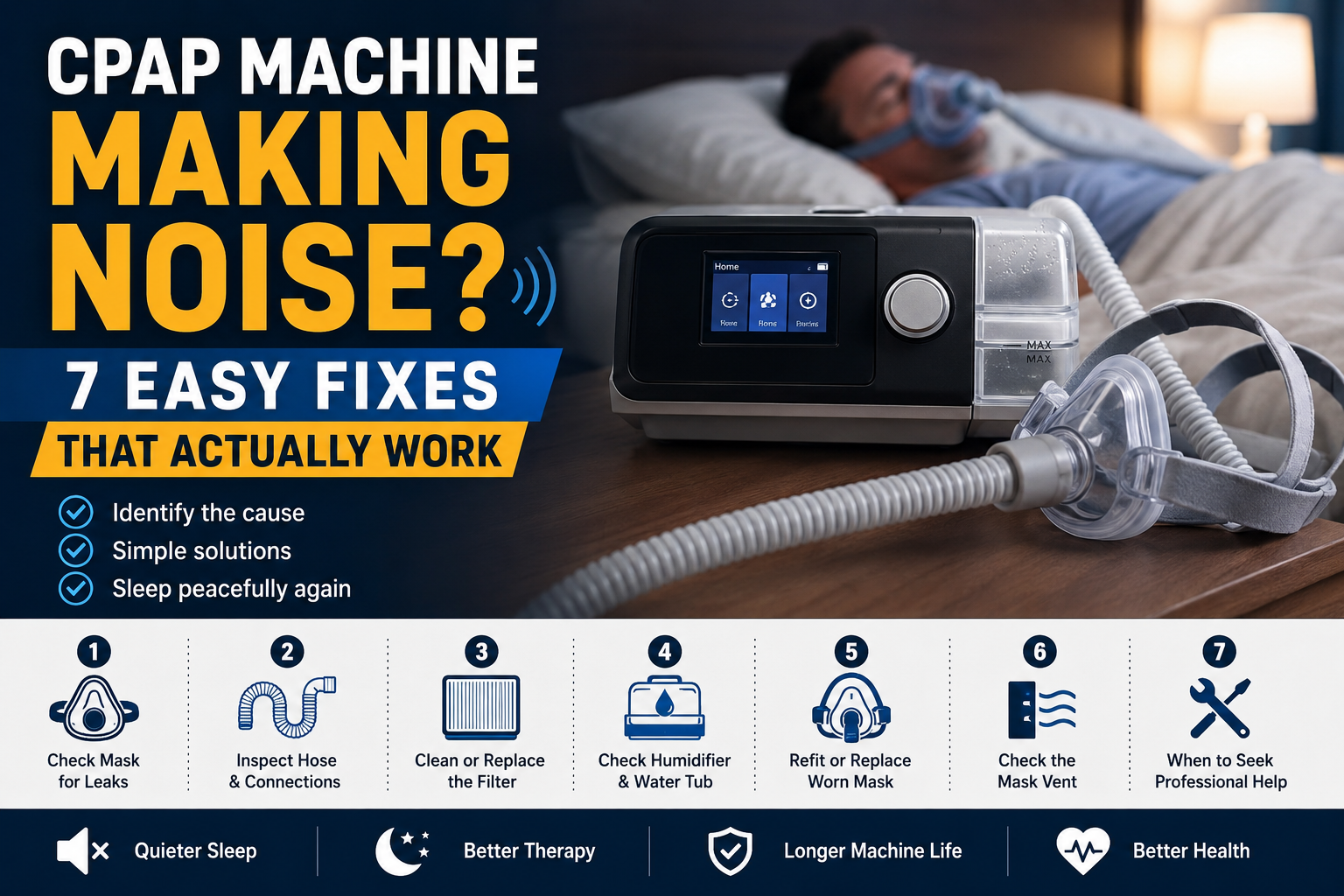
Tip 6: Keep Your CPAP Equipment Clean
Dirty equipment can reduce therapy effectiveness and increase the risk of respiratory infections.
Clean regularly:
- CPAP mask
- Headgear
- Hose
- Humidifier chamber
- Air filters
Routine cleaning also extends the life of your equipment and keeps therapy hygienic.
Tip 7: Replace Worn-Out CPAP Accessories
Even high-quality CPAP accessories wear out over time.
Replace items according to the manufacturer’s recommendations:
- Mask cushions
- Headgear
- Tubing
- Filters
- Water chamber
Old accessories often cause air leaks, reduced comfort, and poor therapy performance.
Tip 8: Don’t Skip a Night
Some people only use their CPAP machine when they feel especially tired.
This is a mistake.
Sleep apnea occurs every night, not just occasionally.
Using CPAP consistently helps your body maintain healthy oxygen levels, improves sleep quality, and reduces the long-term risks associated with untreated sleep apnea.
Even missing a few nights can allow symptoms like loud snoring, daytime fatigue, and poor concentration to return.
- Tips 9-15
- How to fix CPAP air leaks
- CPAP dry mouth solutions
- Common CPAP mistakes
- Best CPAP machines and masks
- Why buy from CPAP.pk
- Comparison table
- FAQs
- Conclusion
- Internal linking suggestions
- About the Author
Tip 9: Don’t Ignore CPAP Air Leaks
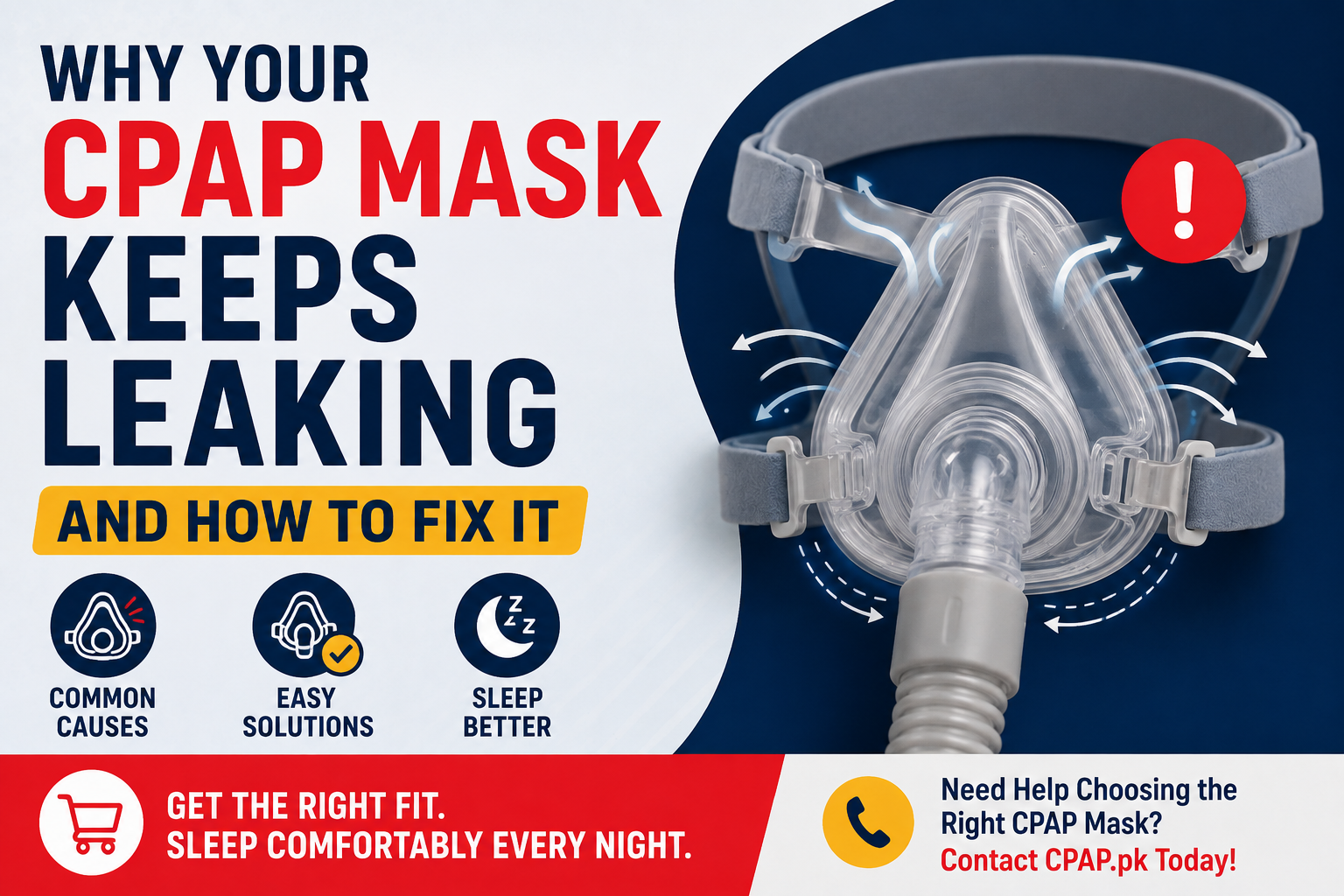
One of the biggest reasons people struggle to Sleep Better with CPAP is air leakage around the mask. Even a small leak can reduce therapy effectiveness and disturb your sleep.
Common causes of CPAP mask leaks include:
- Loose headgear
- Incorrect mask size
- Worn-out mask cushions
- Sleeping in the wrong position
- Damaged tubing
To reduce leaks:
- Adjust the straps without over-tightening.
- Replace old cushions when they lose their seal.
- Clean the mask daily to remove facial oils.
- Ask your CPAP supplier to check your mask fit.
A properly sealed mask delivers consistent air pressure and improves comfort throughout the night.
Tip 10: Reduce Dry Mouth and Nasal Congestion
Dry mouth and nasal irritation are common during the first few weeks of CPAP therapy.
You can improve comfort by:
- Using a heated humidifier
- Increasing humidity settings gradually
- Drinking enough water during the day
- Using saline nasal spray before bedtime
- Choosing the correct CPAP mask
If you regularly breathe through your mouth, switching to a Full Face CPAP Mask may provide a better seal and prevent dryness.
Tip 11: Keep a Consistent Sleep Schedule
Your CPAP machine works best when combined with healthy sleep habits.
Try to:
- Go to bed at the same time every night.
- Wake up at a consistent time.
- Avoid caffeine late in the evening.
- Limit screen time before bed.
- Create a quiet, dark sleeping environment.
A regular routine helps your body adapt to therapy more quickly and improves sleep quality.
Tip 12: Use the Ramp Feature
Many new CPAP users find full treatment pressure uncomfortable when trying to fall asleep.
Most modern CPAP machines include a Ramp feature that starts with a lower air pressure and gradually increases it after you fall asleep.
Benefits include:
- Easier to fall asleep
- Less pressure discomfort
- Better therapy compliance
- More comfortable breathing
If you’re new to CPAP therapy, ask your provider to enable or adjust the ramp setting.
Tip 13: Practice Wearing Your CPAP During the Day
If wearing a mask feels uncomfortable, practice before bedtime.
Wear your CPAP mask while:
- Reading a book
- Watching television
- Working on your laptop
- Relaxing on the sofa
This simple exercise helps your brain accept the sensation of positive airway pressure and reduces anxiety at bedtime.
Tip 14: Monitor Your Therapy Progress
Most modern CPAP and Auto CPAP machines record valuable therapy data, including:
- Usage hours
- Mask leaks
- Apnea-Hypopnea Index (AHI)
- Pressure levels
- Breathing events
Reviewing this information with your sleep specialist helps identify problems early and ensures your treatment remains effective.
Tip 15: Work with a Trusted CPAP Provider
Buying a CPAP machine is only the first step. Long-term success depends on expert guidance, proper mask fitting, and ongoing support.
Choose a provider that offers:
- Home Sleep Apnea Test
- CPAP Machines
- Auto CPAP Machines
- BiPAP Machines
- Full Face CPAP Masks
- Nasal CPAP Masks
- CPAP Accessories
- Professional setup assistance
- After-sales support
At CPAP.pk, patients across Pakistan receive complete sleep therapy solutions, helping them choose the right equipment for their individual needs.
Common CPAP Problems and Their Solutions
| Problem | Possible Cause | Recommended Solution |
| Mask leaks | Incorrect fit | Adjust or replace the mask |
| Dry mouth | Mouth breathing | Use a Full Face Mask or heated humidifier |
| Dry nose | Low humidity | Increase humidifier settings |
| Difficulty falling asleep | Pressure discomfort | Enable the Ramp feature |
| Skin irritation | Dirty or worn cushion | Clean or replace the mask cushion |
| Feeling bloated | Swallowing air | Consult your sleep specialist for pressure adjustment |
| Removing the mask during sleep | Adjustment period | Practice wearing the mask before bedtime |
Best CPAP Masks for Comfortable Sleep
Choosing the right mask can make a significant difference in your therapy experience.
Full Face Masks
Best for:
- Mouth breathers
- High-pressure therapy
- Nasal congestion
Nasal Masks
Best for:
- Nose breathers
- Active sleepers
- Everyday comfort
Nasal Pillow Masks
Best for:
- Side sleepers
- Frequent travelers
- Users who prefer minimal facial contact
If you’re unsure which mask is right for you, the team at CPAP.pk can recommend the best option based on your sleeping habits and therapy requirements.
Why Buy Your CPAP Machine from CPAP.pk?
CPAP therapy is more effective when you purchase genuine equipment from experienced providers.
CPAP.pk offers:
- Genuine CPAP and Auto CPAP Machines
- BiPAP Machines
- Premium CPAP Masks
- Sleep Apnea Testing
- Nationwide Delivery
- Expert Product Recommendations
- Reliable After-Sales Support
- Accessories and Replacement Parts
Whether you’re starting therapy for the first time or upgrading your equipment, professional guidance helps ensure better results.
Frequently Asked Questions
How long does it take to get used to a CPAP machine?
Most people adapt within two to four weeks of consistent use.
Can I sleep on my side while using CPAP?
Yes. Side sleeping is one of the best positions because it helps keep the airway open and reduces mask movement.
Why does my CPAP mask leak?
Leaks usually occur because of an incorrect mask size, worn-out cushions, or loose headgear.
Do I need a humidifier with my CPAP machine?
A heated humidifier is highly recommended because it reduces dry mouth, nasal irritation, and throat discomfort.
What happens if I stop using my CPAP machine?
Your sleep apnea symptoms are likely to return, increasing the risk of daytime fatigue, poor concentration, high blood pressure, and other health complications.
Which CPAP mask is the most comfortable?
The most comfortable mask depends on your breathing style, sleeping position, and personal preference. Full Face, Nasal, and Nasal Pillow masks all have different advantages.
Conclusion
Adjusting to CPAP therapy takes patience, but the long-term benefits are well worth the effort. By choosing the right mask, maintaining your equipment, using a heated humidifier, following a regular sleep routine, and working with a trusted sleep therapy provider, you can Sleep Better with CPAP and enjoy more restful nights. Consistent therapy not only reduces snoring and daytime fatigue but also lowers the risk of serious conditions such as heart disease, stroke, and diabetes. If you’re looking for genuine CPAP machines, Auto CPAP devices, BiPAP machines, premium CPAP masks, or expert sleep apnea support in Pakistan, CPAP.pk offers complete solutions to help you achieve healthier, uninterrupted sleep.
About the Author
This article was written by the sleep therapy experts at CPAP.pk, dedicated to helping patients across Pakistan manage sleep apnea through evidence-based diagnosis, CPAP therapy, BiPAP therapy, and high-quality respiratory care products. Our goal is to provide trusted information and genuine sleep therapy solutions that improve sleep quality, breathing, and overall health.