
Getting a good night’s sleep is one of the most important parts of staying healthy. However, many people wake up feeling tired even after spending enough hours in bed. If you often feel sleepy during the day, wake up with headaches, or have trouble breathing while sleeping, your body may be trying to tell you something important.
Many people ask, “Do I Need a CPAP Machine“ The answer depends on your symptoms and whether you have a sleep-related breathing condition such as sleep apnea. A CPAP machine is designed to keep your airway open while you sleep, helping you breathe normally throughout the night.
Ignoring the warning signs can affect your health, mood, energy levels, and overall quality of life. Understanding these signs early can help you make the right decision and improve your sleep.
At CPAP.pk, we help people find high-quality CPAP solutions that support better sleep and healthier living. Choosing the right CPAP equipment can make a significant difference in your comfort and daily energy.
What Is a CPAP Machine?
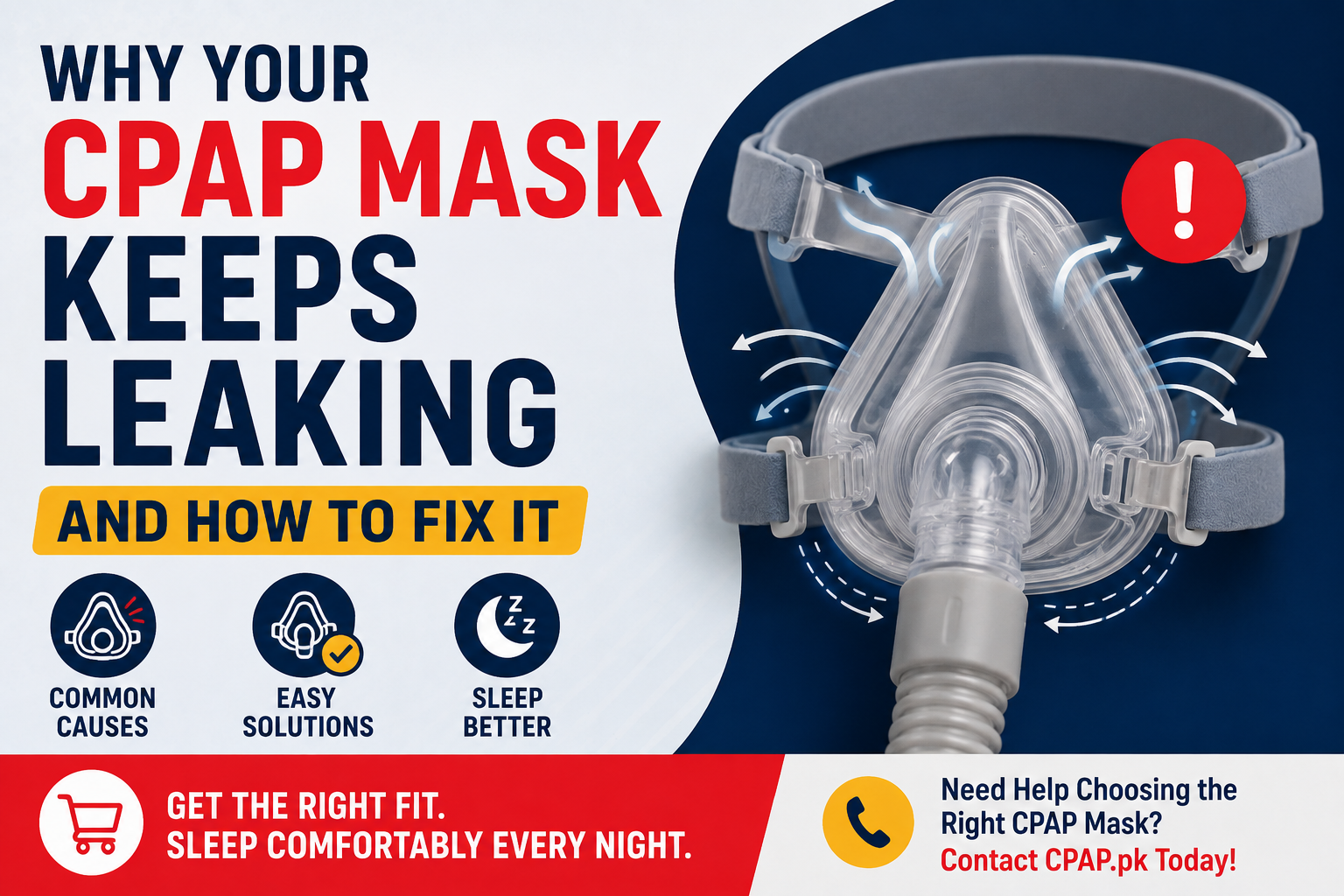
A CPAP (Continuous Positive Airway Pressure) machine is a medical device that delivers a steady flow of air through a mask while you sleep. This gentle airflow helps keep your airway open, preventing it from collapsing during the night.
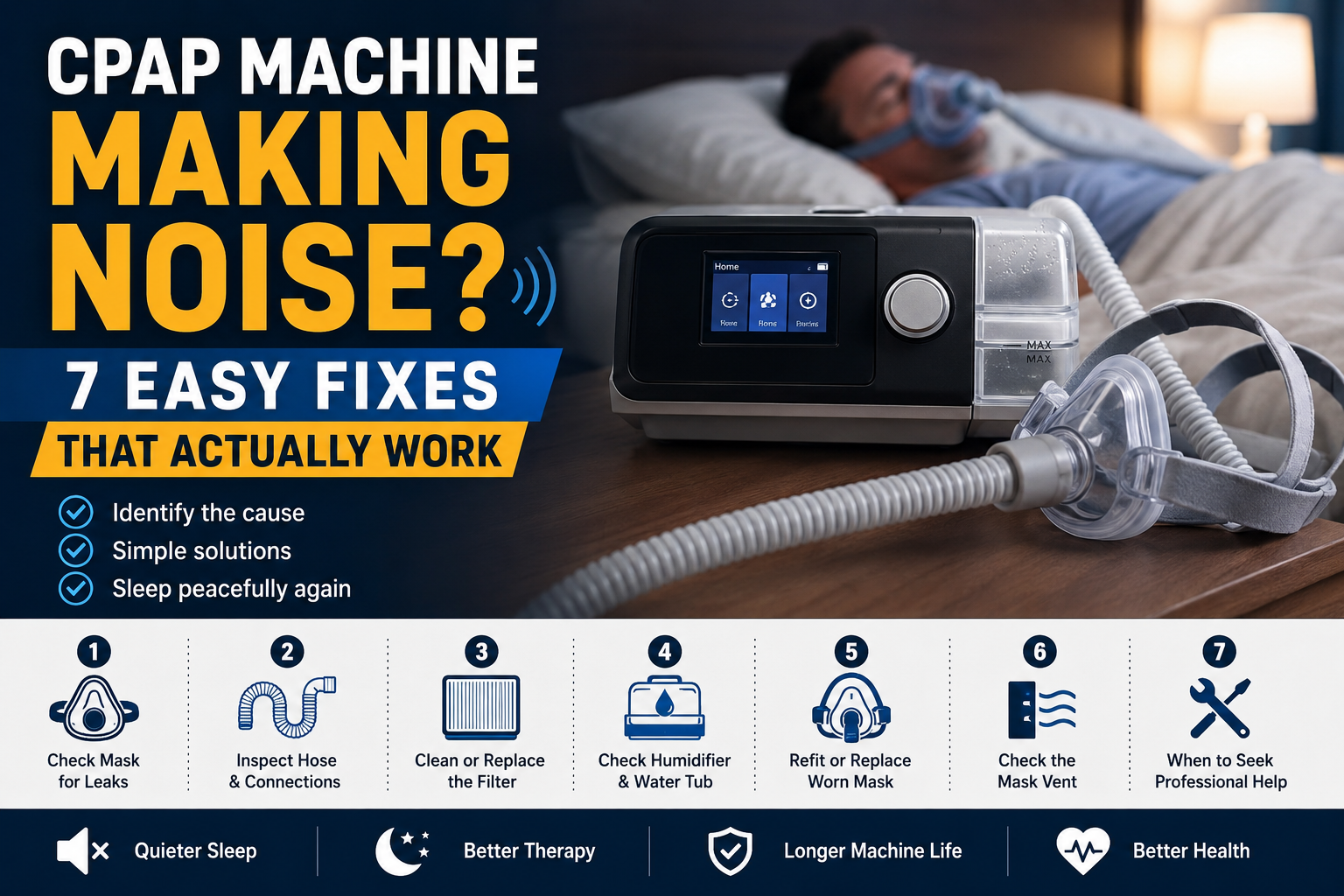
A standard CPAP system usually includes:
- A CPAP machine
- An air hose
- A comfortable mask
- Filters
- A power supply
- Optional humidifier for added comfort
The purpose of the machine is simple: help you breathe continuously while sleeping so your body receives enough oxygen throughout the night.
Do I Need a CPAP Machine?
Many people wonder whether their symptoms are serious enough to require treatment. While only a healthcare professional can diagnose sleep apnea through proper testing, your body often gives clear warning signs.
If you experience several of the symptoms discussed below on a regular basis, it may be time to consider getting evaluated for sleep apnea.
Sign 1: Loud Snoring Every Night
Occasional snoring is common, but loud, frequent snoring may indicate a blocked airway during sleep.
Snoring occurs when airflow becomes restricted. If the snoring is loud enough to disturb others or happens almost every night, it should not be ignored.
People often believe snoring is harmless, but in many cases it can be linked to obstructive sleep apnea.
Sign 2: Someone Notices You Stop Breathing During Sleep
One of the biggest warning signs is when a family member or partner notices pauses in your breathing while you sleep.
These pauses may last several seconds before your body suddenly starts breathing again. This repeated interruption can happen many times during the night without you realizing it.
If someone has mentioned this to you, it is important to take it seriously.
Sign 3: You Wake Up Feeling Exhausted
Sleeping for seven to eight hours should leave you feeling refreshed.
If you regularly wake up feeling tired, weak, or like you barely slept, poor sleep quality may be the reason.
Interrupted breathing prevents your body from reaching deep, restorative sleep. Even if you spend enough time in bed, your body may not get the rest it needs.
Sign 4: Daytime Sleepiness
Do you find yourself feeling sleepy during meetings, while reading, watching television, or even driving?
Excessive daytime sleepiness is one of the most common symptoms of sleep apnea.
Poor sleep during the night causes fatigue throughout the day, making it difficult to stay focused and productive.
Many people notice improved daytime energy after beginning CPAP therapy.
Sign 5: Morning Headaches
Frequent morning headaches can be another sign that your body isn’t receiving enough oxygen during sleep.
Low oxygen levels and interrupted breathing place stress on your body overnight, leading to headaches after waking up.
If morning headaches occur regularly along with snoring or daytime tiredness, they should not be ignored.
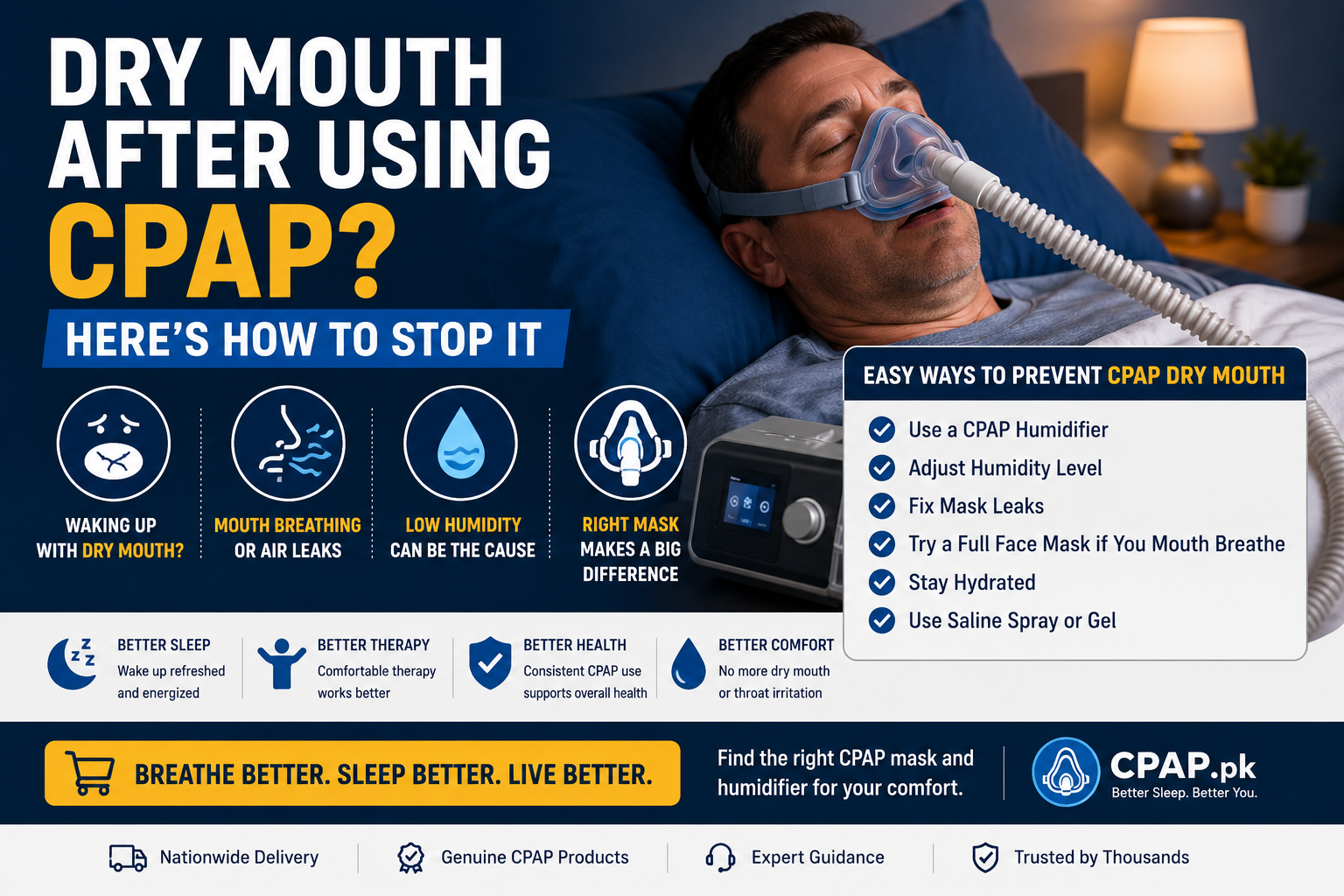
Sign 6: Dry Mouth or Sore Throat
Do you often wake up with a dry mouth or sore throat?
This can happen because people with sleep apnea often breathe through their mouths during the night.
The continuous airflow from proper CPAP therapy helps maintain better breathing patterns, reducing these uncomfortable symptoms for many users.
Sign 7: Difficulty Concentrating
Poor sleep affects brain function.
If you frequently forget things, struggle to focus, or find it difficult to complete simple tasks, poor-quality sleep may be contributing to these problems.
Many people notice improvements in concentration and memory after treating sleep apnea effectively.
Sign 8: Mood Changes
Sleep deprivation doesn’t only affect your body—it also impacts your emotions.
People experiencing untreated sleep apnea may notice:
- Irritability
- Anxiety
- Low motivation
- Mood swings
- Reduced patience
Better sleep often leads to better emotional well-being.
Sign 9: High Blood Pressure
Many people don’t realize that poor sleep can affect heart health.
Repeated drops in oxygen during sleep force the body to work harder, which may contribute to high blood pressure over time.
Proper treatment of sleep-disordered breathing can support healthier sleep and may positively affect overall wellness as part of a treatment plan recommended by your healthcare provider.
Sign 10: You Wake Up Gasping for Air
One of the strongest warning signs is waking up suddenly because you feel like you’re choking or gasping.
This happens when your airway becomes blocked and your brain briefly wakes you so you can breathe again.
Even if it only happens occasionally, it should be discussed with a healthcare professional.
Who Is More Likely to Need a CPAP Machine?
Certain factors increase the likelihood of developing sleep apnea.
These include:
- Being overweight
- Having a family history of sleep apnea
- Being over the age of 40
- Having a larger neck size
- Smoking
- Drinking alcohol before bedtime
- Nasal blockage or congestion
- Certain jaw or airway structures
Having one or more of these risk factors does not automatically mean you need CPAP therapy, but it does increase the importance of getting evaluated if you have symptoms.
Why Early Treatment Matters
Ignoring sleep apnea can negatively affect your daily life and long-term health.
Poor sleep may lead to:
- Reduced work performance
- Lower energy levels
- Increased daytime fatigue
- Poor concentration
- Relationship problems caused by loud snoring
- Reduced quality of life
The earlier sleep apnea is diagnosed and managed, the sooner you can begin enjoying healthier, more refreshing sleep.
How to Know If It’s Time to Speak with a Healthcare Professional
Although this article highlights common warning signs, only a qualified healthcare professional can diagnose sleep apnea.
You should consider scheduling an evaluation if you:
- Snore loudly every night
- Frequently wake up gasping for air
- Feel extremely tired despite sleeping enough hours
- Experience morning headaches regularly
- Have been told you stop breathing during sleep
- Struggle with excessive daytime sleepiness
Early diagnosis can help prevent symptoms from becoming more severe and allow you to begin appropriate treatment sooner.
Choosing Quality CPAP Equipment
The effectiveness of CPAP therapy depends not only on using the machine consistently but also on choosing reliable equipment that suits your needs.
High-quality CPAP machines, masks, tubing, filters, and accessories can improve comfort and make therapy easier to maintain over the long term.
At CPAP.pk, you can find a wide range of CPAP machines, masks, replacement accessories, and sleep therapy products designed to support comfortable and effective treatment. Whether you are starting CPAP therapy for the first time or replacing existing equipment, choosing dependable products can make your sleep therapy experience much smoother.
Why Choose CPAP.pk?
Finding the right CPAP equipment is an important step toward better sleep. At CPAP.pk, customers can explore quality sleep therapy products suitable for different needs and preferences.
Some reasons people choose CPAP.pk include:
- Wide selection of CPAP machines
- Comfortable CPAP masks
- Essential replacement accessories
- Reliable product quality
- Easy shopping experience
- Products designed to support better sleep
Having the right equipment makes it easier to stay consistent with your therapy and enjoy the benefits of healthy sleep.
Frequently Asked Questions (FAQs)
Do I need a CPAP machine if I snore?
Not always. While loud, frequent snoring can be a sign of sleep apnea, only a healthcare professional can determine whether CPAP therapy is necessary.
Can I buy a CPAP machine before getting tested?
It is recommended to have a proper medical evaluation first so the correct treatment and machine settings can be determined.
How long does it take to get used to a CPAP machine?
Most people adjust within a few weeks, especially when using the machine consistently every night.
4. Will a CPAP machine stop snoring?
For many people with obstructive sleep apnea, CPAP therapy greatly reduces or completely eliminates snoring.
5. Can CPAP improve daytime tiredness?
Yes. Better breathing during sleep often leads to improved energy, alertness, and reduced daytime fatigue.
6. Is CPAP therapy safe?
CPAP therapy is widely used and is generally considered safe when prescribed and used according to healthcare guidance.
Do CPAP machines require regular cleaning?
Yes. Cleaning the mask, tubing, humidifier, and filters regularly helps maintain hygiene and keeps the equipment working properly.
Can I travel with a CPAP machine?
Yes. Many modern CPAP machines are compact and travel-friendly, making it easier to continue therapy while away from home.
How often should CPAP accessories be replaced?
Replacement schedules vary depending on the accessory and manufacturer recommendations. Regular inspection helps ensure effective therapy.
Where can I find quality CPAP machines and accessories in Pakistan?
CPAP.pk offers a range of CPAP machines, masks, and accessories to support effective sleep therapy and help users enjoy better sleep.
Conclusion
If you have been asking yourself, “Do I Need a CPAP Machine?”, paying attention to your symptoms is the first step.
Loud snoring, interrupted breathing, morning headaches, daytime fatigue, poor concentration, and waking up gasping for air are all signs that should not be ignored. While these symptoms do not automatically mean you need CPAP therapy, they are strong reasons to seek a professional evaluation.
Once diagnosed, consistent CPAP therapy can significantly improve sleep quality, increase daytime energy, reduce snoring, and enhance overall well-being.