
If you invested in a CPAP machine to treat sleep apnea, keeping it clean and well-maintained is just as important as using it every night. Proper CPAP machine maintenance not only extends the life of your device but also ensures you receive safe, effective therapy every time you sleep.
Many users spend thousands of rupees on a quality CPAP machine but overlook regular cleaning and maintenance. Over time, dust, bacteria, mold, facial oils, and mineral deposits can build up inside the mask, tubing, and humidifier. As a result, your therapy may become less effective, your machine may wear out sooner, and your health could even be at risk.
Whether you recently purchased a CPAP machine in Lahore, use a Philips CPAP mask, or are comparing CPAP mask price in Pakistan before buying replacement accessories, this complete guide will show you exactly how to keep your equipment in excellent condition.
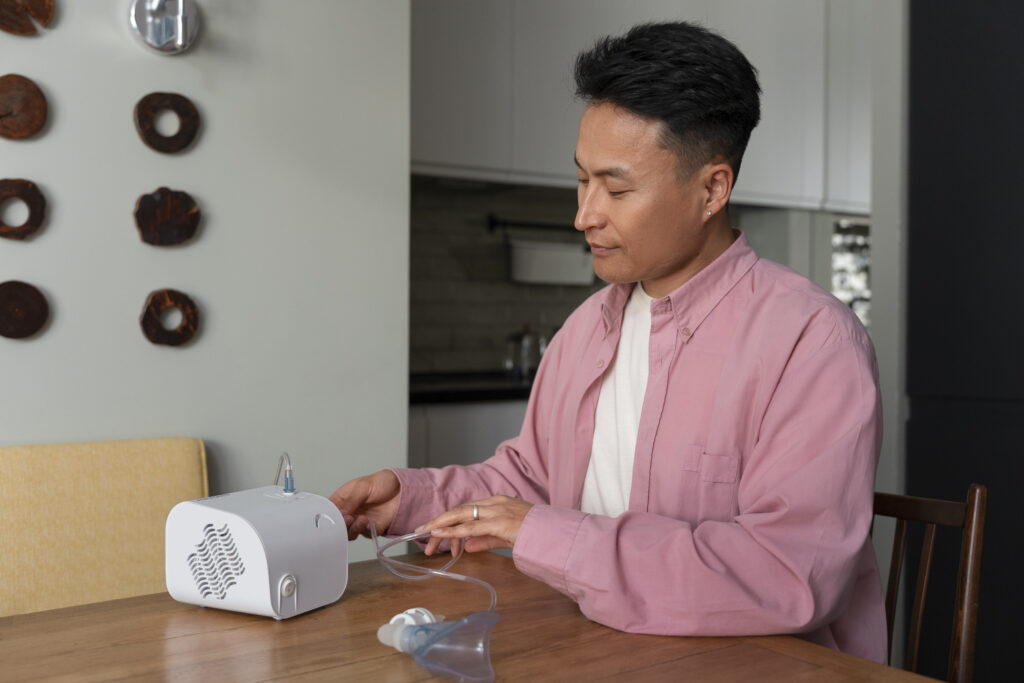
Why CPAP Machine Maintenance Is So Important
A CPAP machine delivers continuous positive airway pressure every night to keep your airway open. However, because the machine circulates air directly into your nose or mouth for several hours each night, every component must remain clean.
Regular CPAP machine maintenance helps you:
- Improve therapy effectiveness
- Prevent bacteria and mold growth
- Reduce allergies and respiratory irritation
- Extend the lifespan of your CPAP machine
- Prevent unpleasant odors
- Improve mask comfort
- Reduce air leaks
- Save money on expensive repairs
- Maintain healthy airflow throughout the night
Simply put, a clean CPAP machine helps you sleep better and breathe more comfortably.
Parts of a CPAP Machine That Need Regular Cleaning
Many new users think only the mask requires cleaning. In reality, every component plays an important role.
Your CPAP system includes:
- CPAP Machine
- Humidifier Water Chamber
- CPAP Hose
- CPAP Mask
- Headgear
- Mask Cushion
- Air Filters
- Power Supply
Each item has its own cleaning and replacement schedule.
Daily CPAP Machine Maintenance Routine
Daily cleaning only takes five to ten minutes but makes a huge difference.
Clean Your CPAP Mask
Your mask comes into direct contact with your skin every night.
Facial oils, sweat, and dead skin cells gradually build up on the cushion, reducing the seal and causing air leaks.
Wash your mask daily using:
- Warm water
- Mild soap
- Soft cloth
Avoid:
- Alcohol cleaners
- Bleach
- Strong detergents
- Scented chemicals
Allow the mask to air dry before reconnecting it.
Whether you use a Philips CPAP mask, full-face mask, or nasal mask, daily cleaning keeps the cushion soft and comfortable.
Empty the Humidifier Chamber
If your machine has a humidifier, empty the remaining water every morning.
Never leave water inside the chamber for several days because bacteria and mold grow quickly in warm environments.
Use only:
- Distilled water whenever possible
- Fresh water every night
This simple habit greatly improves hygiene.
Wipe the Machine Exterior
Dust can collect on the machine housing over time.
Use a soft microfiber cloth to gently wipe the surface.
Never spray cleaning chemicals directly onto the machine.
Weekly CPAP Machine Maintenance Checklist
Weekly maintenance keeps every component working efficiently.
Wash the CPAP Hose
The hose carries humidified air directly to your mask.
Over time it collects moisture, dust, and microscopic bacteria.
Clean it by:
- Filling a sink with warm water.
- Adding mild soap.
- Running soapy water through the tubing.
- Rinsing thoroughly.
- Hanging it vertically until completely dry.
Never reconnect a damp hose because trapped moisture encourages mold growth.
Clean the Humidifier Chamber Thoroughly
Mineral deposits from water can reduce humidifier performance.
Once each week:
- Wash with warm water
- Use mild soap
- Rinse thoroughly
If mineral buildup appears, soak the chamber in a mixture of white vinegar and water for about 20–30 minutes before rinsing.
Wash Headgear and Straps
Headgear absorbs:
- Sweat
- Hair oils
- Dust
- Skin cells
Weekly washing helps maintain elasticity while improving hygiene and comfort.
Allow the straps to air dry naturally.
Avoid using a dryer because excessive heat can weaken the elastic material.
Replace CPAP Filters Regularly
Air filters protect both your machine and your lungs.
Dirty filters reduce airflow and make the motor work harder.
Generally:
- Disposable filters should be replaced every month.
- Reusable filters should be cleaned every two weeks and replaced according to the manufacturer’s recommendations.
If you live in a dusty environment, inspect filters more frequently.
How Often Should CPAP Accessories Be Replaced?
Even with excellent CPAP machine maintenance, some parts naturally wear out.
| Component | Recommended Replacement |
| Mask Cushion | Every 1–3 months |
| CPAP Mask | Every 6–12 months |
| CPAP Hose | Every 6–12 months |
| Headgear | Every 6 months |
| Humidifier Chamber | Every 6–12 months |
| Disposable Filter | Monthly |
| Reusable Filter | Every 6 months |
Replacing worn accessories improves therapy effectiveness and reduces leaks.
Signs Your CPAP Equipment Needs Replacement
Proper maintenance cannot repair worn-out equipment forever.
Replace components if you notice:
- Frequent air leaks
- Cracked tubing
- Torn cushions
- Stretched headgear
- Yellow or cloudy humidifier chamber
- Reduced airflow
- Strange machine noises
- Unpleasant odors after cleaning
Ignoring these signs may reduce the effectiveness of your sleep apnea treatment.
Store Your CPAP Machine Properly
Storage is another important part of CPAP machine maintenance.
Always:
- Keep the machine on a flat surface.
- Store it away from direct sunlight.
- Keep pets away from the tubing.
- Protect it from excessive dust.
- Avoid placing it on carpet where vents can become blocked.
Good storage protects the motor and electronic components.
Common CPAP Cleaning Mistakes to Avoid
Many users accidentally damage their equipment while trying to clean it.
Avoid these mistakes:
- Using bleach or alcohol
- Washing components in very hot water
- Reconnecting damp tubing
- Ignoring filter replacement
- Using tap water in the humidifier every night
- Forgetting weekly cleaning
- Leaving water inside the humidifier
These habits shorten the life of your machine and reduce therapy quality.
Travel Tips for CPAP Machine Maintenance
If you travel frequently, keeping up with CPAP machine maintenance is just as important as it is at home. Dust, humidity, and improper packing can affect both the machine and its accessories.
Follow these simple travel tips:
- Carry your CPAP machine in its original travel case.
- Pack the mask separately to avoid crushing the cushion.
- Empty and dry the humidifier chamber before traveling.
- Carry spare filters and an extra mask cushion.
- Keep a small bottle of mild soap for cleaning.
- Never leave the machine inside a hot car for long periods.
- Use a surge protector when plugging into unfamiliar power sources.
Regular maintenance while traveling ensures uninterrupted therapy wherever you go.
CPAP Machine Maintenance Schedule
Keeping a simple routine helps extend the life of your equipment and ensures effective therapy every night.
| Component | Daily | Weekly | Replace |
| CPAP Mask Cushion | ✔ Wipe & Wash | ✔ Deep Clean | Every 1–3 Months |
| Full CPAP Mask | ✔ | Every 6–12 Months | |
| CPAP Hose | ✔ Wash | Every 6–12 Months | |
| Humidifier Chamber | ✔ Empty & Dry | ✔ Deep Clean | Every 6–12 Months |
| Headgear | ✔ Wash | Every 6 Months | |
| Disposable Filter | Check | Every Month | |
| Reusable Filter | ✔ Clean | Every 6 Months | |
| CPAP Machine Exterior | ✔ Wipe | As Needed |
Following this schedule keeps your equipment hygienic and reduces the likelihood of unexpected problems.
Genuine Accessories Matter
No matter how well you perform CPAP machine maintenance, worn or low-quality accessories will eventually affect therapy.
Always choose genuine replacement products, including:
- CPAP Masks
- Mask Cushions
- Headgear
- Tubing
- Filters
- Humidifier Chambers
Many users compare CPAP mask price in Pakistan before purchasing replacements. While affordable options are available, genuine accessories provide better sealing, improved comfort, and longer durability.
If you’re considering a Philips CPAP mask, genuine Philips accessories are designed to work seamlessly with compatible CPAP machines. Likewise, quality nasal mask options can provide excellent comfort for users who breathe through their nose during sleep.
When Should You Buy a New CPAP Mask?
Even with excellent maintenance, every CPAP mask eventually reaches the end of its lifespan.
Consider replacing your mask if you notice:
- Frequent air leaks
- Torn silicone cushions
- Discoloration
- Loss of flexibility
- Difficulty maintaining a proper seal
- Reduced comfort during therapy
Whether you’re checking the CPAP machine mask price, CPAP mask price in Pakistan, or BiPAP mask price in Pakistan, replacing worn accessories is an investment in better sleep and more effective therapy.
CPAP vs BiPAP Accessories: Why Proper Care Matters
Many patients use either CPAP or BiPAP therapy depending on their medical condition.
Although the cleaning routine is similar, both systems require:
- Regular filter replacement
- Clean tubing
- Proper mask maintenance
- Dry humidifier chambers
If you’re researching BiPAP mask price in Karachi or looking for BiPAP mask Karachi suppliers, remember that proper maintenance helps protect your investment regardless of the machine type.
Why Buy CPAP Accessories from CPAP?
Proper CPAP machine maintenance becomes much easier when you have access to genuine replacement parts and expert support.
At CPAP, you’ll find:
- Genuine CPAP Machines
- Auto CPAP Machines
- BiPAP Machines
- Philips CPAP Masks
- Full Face CPAP Masks
- Nasal Masks
- Replacement Cushions
- Headgear
- Filters
- Tubing
- Humidifier Chambers
- Professional Product Guidance
- Nationwide Delivery Across Pakistan
Whether you’re searching for a CPAP machine in Lahore, comparing CPAP mask price in Pakistan, or looking for reliable sleep therapy equipment, CPAP offers trusted products and expert assistance.
Quick Maintenance Checklist
Before going to bed each night, ask yourself:
- Is my mask clean?
- Is the humidifier filled with fresh distilled water?
- Is the hose completely dry?
- Is the filter clean?
- Does my mask seal properly?
- Are there any unusual noises from the machine?
A five-minute check can prevent therapy interruptions and help your equipment last for years.
Frequently Asked Questions
How often should I clean my CPAP machine?
Basic cleaning should be done daily, while a deeper cleaning of the tubing, humidifier chamber, and headgear should be performed weekly.
Can I use tap water in my CPAP humidifier?
Distilled water is recommended because it helps prevent mineral buildup inside the humidifier chamber and improves long-term performance.
How long does a CPAP machine last?
With proper CPAP machine maintenance, most CPAP machines last between 5 and 7 years, depending on usage and manufacturer recommendations.
When should I replace my CPAP mask?
Most CPAP masks should be replaced every 6 12 months, while mask cushions often need replacement every 1–3 months for optimal comfort and sealing.
Can a dirty CPAP machine make me sick?
Yes. Poorly maintained equipment can harbor bacteria, mold, and allergens, which may lead to respiratory irritation or infections.
Where can I buy genuine CPAP accessories in Pakistan?
You can purchase genuine CPAP machines, masks, filters, tubing, and accessories from CPAP with delivery available across Pakistan.
Conclusion
Regular CPAP machine maintenance is one of the easiest ways to improve your sleep therapy, protect your health, and extend the life of your equipment. By cleaning your mask, tubing, humidifier, and filters on schedule, you can reduce air leaks, prevent bacteria buildup, and ensure your CPAP machine delivers consistent therapy every night. Replacing worn accessories with genuine products also improves comfort and treatment effectiveness. If you’re looking for high-quality CPAP machines, Philips CPAP masks, nasal masks, replacement accessories, or expert guidance in Pakistan, CPAP provides everything you need to maintain your therapy and enjoy healthier, uninterrupted sleep.
About the Author
This guide was written by the respiratory care specialists at CPAP, a trusted provider of CPAP and BiPAP therapy solutions in Pakistan. Our team helps patients improve sleep quality through expert guidance, genuine sleep therapy equipment, Home Sleep Apnea Testing, and ongoing support. We are committed to providing accurate, evidence-based information to help you get the best results from your CPAP therapy.