
If you wake up because of a hissing sound, feel air blowing toward your eyes, or notice dry mouth every morning, your CPAP mask leaking may be the reason. Even a small leak can make CPAP therapy uncomfortable and may disturb your sleep.
However, a leaking mask does not always mean your CPAP machine has a problem. In many cases, the issue comes from the mask size, cushion, headgear, sleeping position, facial movement, or mouth breathing. The good news is that most common leaks have practical solutions.
The American Academy of Sleep Medicine recommends addressing significant unintentional PAP leaks through mask refitting or readjustment.
So, before you stop using your CPAP machine, let’s identify what is causing the leak and what you can do about it.
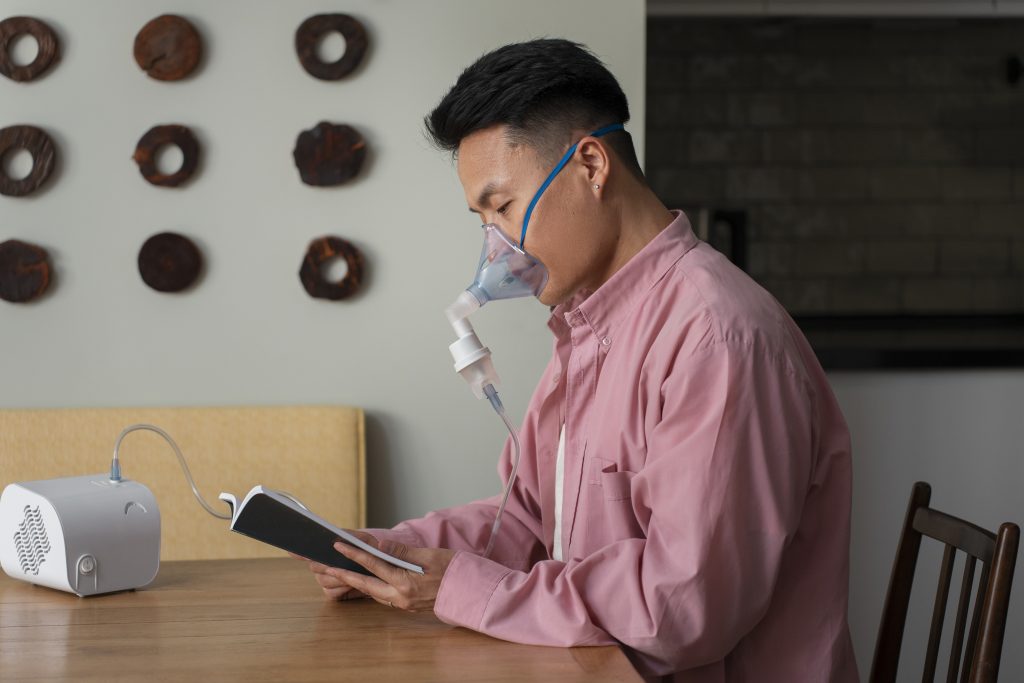
Why Is Your CPAP Mask Leaking?
A CPAP mask leaking problem usually happens when pressurized air escapes from somewhere it should not.
Your mask intentionally releases a controlled amount of air through its designed exhalation ports. That normal airflow should not be confused with an unintentional leak around the cushion or through your mouth.
Common causes include:
- Incorrect mask size
- Poor mask positioning
- Loose or overly tight straps
- Worn-out mask cushion
- Facial oils affecting the seal
- Sleeping on your side and moving the mask
- Mouth breathing with a nasal mask
- Damaged tubing or connectors
- Incorrect mask type for your breathing pattern
- Changes in facial shape or weight
Therefore, finding the exact location of the leak is the first step toward fixing it.
How to Know If Your CPAP Mask Is Leaking
Not every airflow sound indicates a serious problem. However, several signs can suggest that your CPAP mask leaking is affecting your therapy.
Watch for:
- A continuous hissing sound
- Air blowing onto your cheeks or eyes
- Dry or irritated eyes
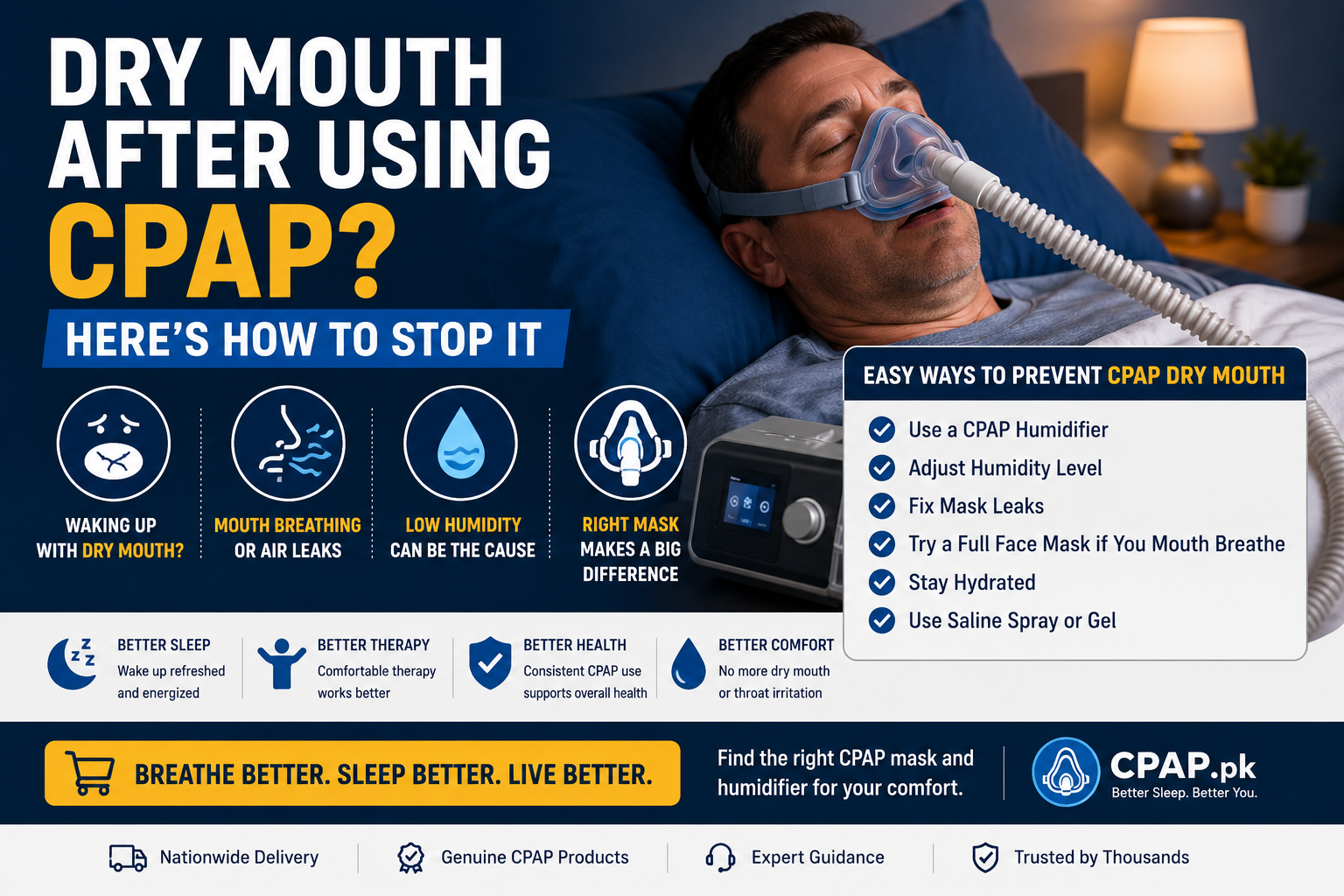
- Unusual morning dry mouth
- Repeatedly waking up during the night
- Skin irritation around the mask
- Your CPAP machine showing a high leak reading
- The mask shifting when you turn in bed
- Feeling that your therapy is less effective
Modern PAP devices can track information such as usage, pressure, mask leak, and residual events. Clinicians can use these data points when evaluating whether therapy is working properly.
If your leak remains high despite adjustments, discuss the data with your sleep specialist or equipment provider.
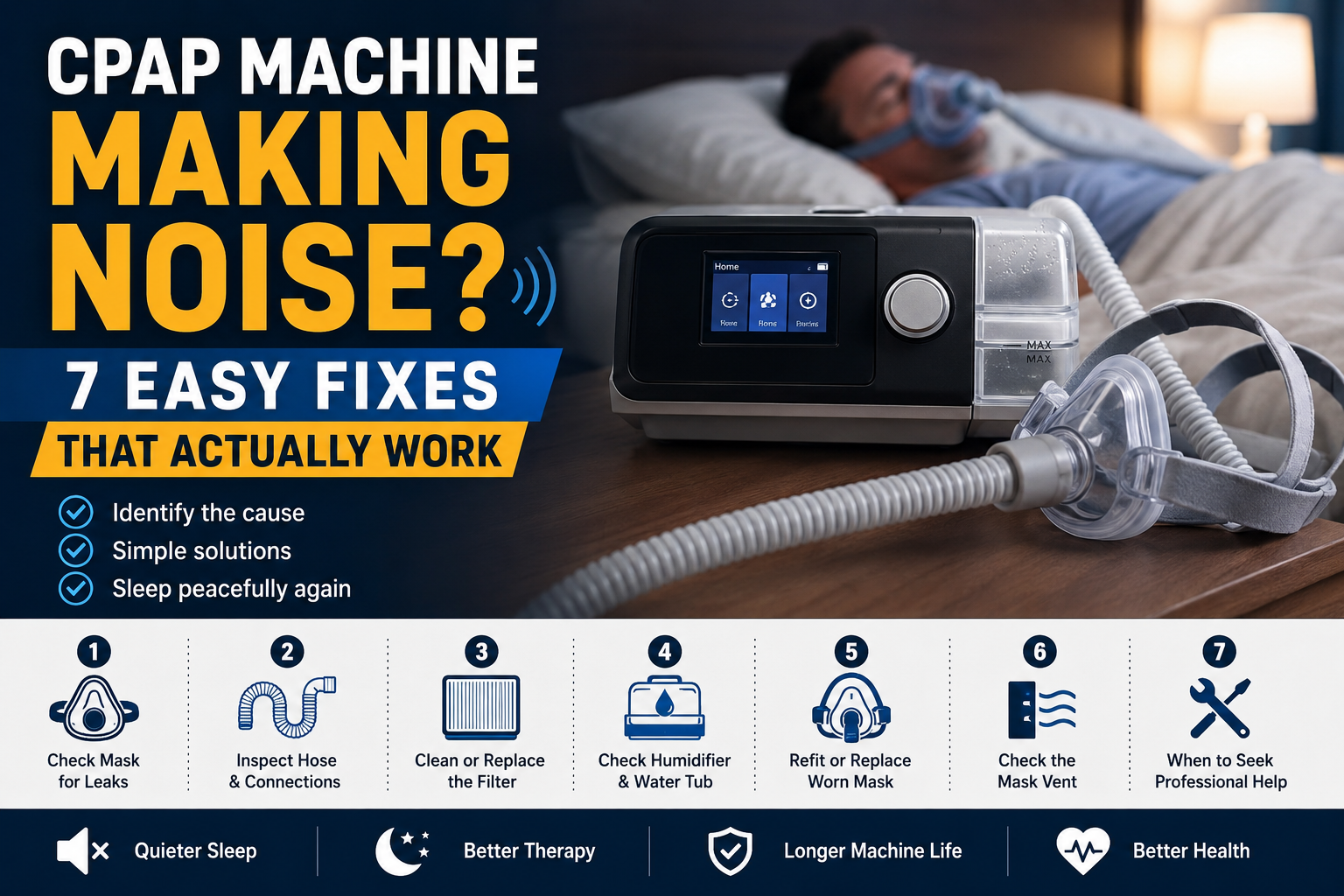
1. Check Your Mask Fit First
The most common solution is also one of the simplest: check the fit.
A mask should sit securely against your face without causing excessive pressure. If you tighten the straps too much, you might actually make the seal worse by deforming the cushion.
Instead:
- Put the mask on while sitting normally.
- Turn your CPAP machine on.
- Allow the machine to reach your prescribed pressure.
- Feel around the mask edges for escaping air.
- Make small strap adjustments.
- Recheck the seal after each adjustment.
ResMed also identifies incorrect adjustment, sizing, assembly, and mask type as common causes of leaks.
The goal is not the tightest possible mask. The goal is a stable, comfortable seal.
2. Your Mask May Be the Wrong Size
Sometimes CPAP mask leaking continues because the mask simply does not match your facial shape.
A mask can feel comfortable initially but leak after you lie down. Facial contours change slightly with position, and movement during sleep can break the seal.
Signs of an incorrect size include:
- The cushion constantly moves
- Air escapes from one particular area
- You need to keep tightening the straps
- The mask leaves deep pressure marks
- The mask feels unstable when you turn over
If you repeatedly experience these problems, ask your CPAP supplier about trying another size.
A professional mask fitting can also help you compare different interfaces before buying another mask.
3. Do Not Overtighten the Headgear
Many CPAP users assume that tighter straps automatically mean fewer leaks.
That is not always true.
When you overtighten a mask, the cushion can become compressed or distorted. As a result, the seal may become less effective. Excessive tightening can also cause facial soreness and pressure marks.
Try loosening the straps slightly and repositioning the mask.
Then run the machine and check the seal again.
The best fit should feel secure without causing unnecessary pressure.
4. Check the CPAP Cushion
The cushion is one of the most important parts of your mask because it creates the seal against your face.
Over time, repeated use, cleaning, skin oils, and general wear can affect its condition. A worn cushion may become less flexible and fail to seal properly.
Look for:
- Cracks
- Deformation
- Stiffness
- Discoloration
- Loss of flexibility
- Visible damage
If the cushion looks worn, replacing the appropriate component may solve the problem.
Regular cleaning also matters. Dirt and facial oils can affect comfort and mask performance.
Follow the cleaning and replacement instructions provided for your specific mask.
5. Is Your CPAP Mask Leaking Into Your Eyes?
CPAP mask leaking into eyes is one of the most annoying problems users experience.
You may wake up with:
- Dry eyes
- Watery eyes
- Eye irritation
- A feeling of air blowing toward your eyelids
This often happens when air escapes from the upper portion of the mask.
First, reposition the mask rather than immediately tightening every strap. Check whether the cushion sits evenly around your nose and cheeks.
If the problem continues, your mask size or mask style may not suit your facial structure.
Persistent eye irritation should not be ignored. Ask your healthcare provider or equipment supplier for a mask-fit assessment.
6. What If Your CPAP Mask Leaks Around Your Nose?
CPAP mask leaking around the nose often points toward a fit or positioning issue.
This can happen with nasal and full-face masks.
Try these steps:
- Wash and dry your face before wearing the mask.
- Position the cushion evenly around your nose.
- Avoid twisting the cushion.
- Adjust the upper straps gradually.
- Test the seal before going to sleep.
- Check whether the cushion has become worn.
Do not apply oily creams immediately before wearing the mask because facial oils can interfere with some mask cushions.
If the leak keeps returning from the same location, consider professional refitting.
7. Mouth Breathing Can Cause CPAP Air Leaks
If you use a nasal mask or nasal pillows but breathe through your mouth during sleep, pressurized air can escape through your mouth.
This problem is commonly called a mouth leak.
You might notice:
- Very dry mouth
- Dry throat
- Morning thirst
- Air escaping from your mouth
- Poor sleep despite wearing the mask
Sleep Foundation notes that mouth breathing can cause air leakage with nasal or nasal-pillow masks. A chin strap or a full-face mask may be considered depending on the individual’s situation.
However, do not switch mask types simply because you read about them online. Your sleep specialist or CPAP provider can help determine whether a nasal, full-face, or another interface better suits your needs.
CPAP Mask Leaking at Night: What About Your Sleeping Position?
Your sleeping position can also affect the seal.
For example, a mask may fit perfectly while you are lying on your back but leak when you turn onto your side.
Side sleepers can sometimes experience leaks because the pillow pushes against the mask.
Try:
- Using a pillow that provides space around the mask
- Keeping the CPAP tubing positioned so it does not pull on the mask
- Adjusting the mask after changing positions
- Avoiding excessive movement of the headgear during sleep
A stable mask and properly positioned tubing can make a noticeable difference.
Should You Replace Your CPAP Mask?
Sometimes the best solution is replacing worn equipment.
You may need a new mask or component when:
- The cushion no longer seals properly
- The mask has visible damage
- The headgear has lost elasticity
- The mask keeps leaking despite correct fitting
- Your facial shape or needs have changed
- You have repeatedly tried adjustments without success
However, replacement schedules vary by mask type, manufacturer, usage, and insurance or supplier policies. Therefore, follow the manufacturer’s instructions and ask your CPAP provider when replacement is appropriate.
Choosing the Right Mask Can Prevent Repeated Leaks
If your current interface never feels comfortable, changing the mask style may be more useful than repeatedly tightening the same mask.
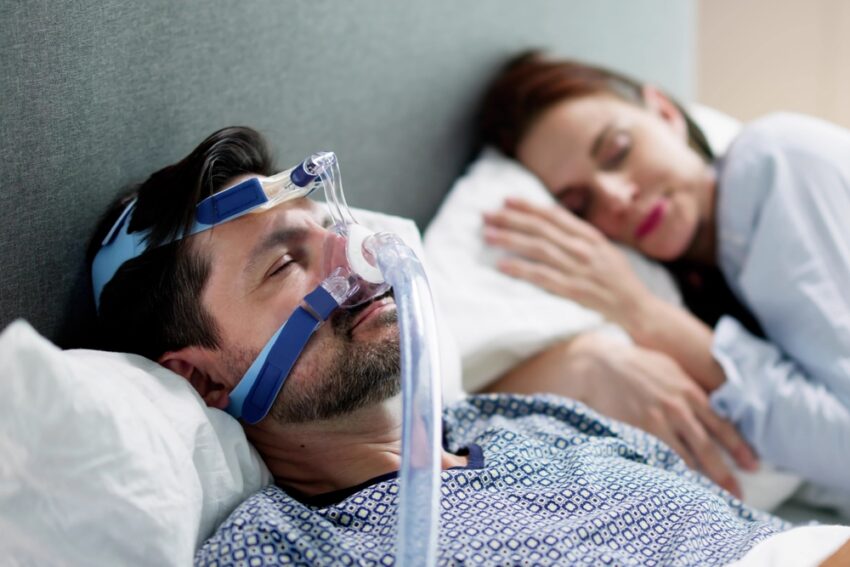
Nasal Mask
A nasal mask covers the nose and can provide a less bulky option for people who primarily breathe through their nose.
It may work well when:
- You prefer less facial coverage
- You naturally breathe through your nose
- You want a relatively open field of vision
However, mouth breathing can create problems with a nasal interface.
Full Face CPAP Mask
A Full Face CPAP Mask Pakistan option covers both the nose and mouth. It can be useful for people who breathe through their mouth during sleep or cannot maintain nasal breathing consistently.
A full-face interface may also be considered when nasal congestion makes nasal-only therapy difficult.
Nasal Pillow Mask
Nasal pillows sit around or beneath the nostrils and generally have minimal facial contact.
They may appeal to users who dislike larger masks. However, they may not be suitable for everyone, particularly people who frequently breathe through their mouth.
The right choice depends on your breathing pattern, facial structure, prescribed therapy, comfort, and clinical needs.
CPAP Mask Price in Pakistan: What Affects the Cost?
If you are searching for CPAP mask price in Pakistan, remember that price varies according to the brand, mask design, materials, size, and included components.
For example, a basic nasal mask, nasal pillow system, and full-face mask can have different prices because they use different designs and components.
Before comparing prices, check:
- Mask type
- Brand
- Size availability
- Cushion design
- Headgear included or sold separately
- Replacement parts availability
- Warranty or supplier support
- Compatibility with your CPAP or BiPAP system
A cheaper mask is not necessarily the better option if it does not fit your face properly.
CPAP and BiPAP Masks in Pakistan: Are They the Same?
People often search for CPAP and Bipap Masks in Pakistan when comparing mask options.
The important point is that many masks can be used with different PAP systems, but compatibility should always be confirmed with the device manufacturer or healthcare provider.
If you are looking for a BiPAP mask price in Pakistan, compare the mask’s specifications rather than choosing solely based on price.
For users in Karachi, searches such as BiPAP mask price in Karachi may help locate local suppliers, but the correct mask still depends on your therapy and fit.
How to Stop CPAP Mask Leaks: Quick Checklist
Before replacing your entire mask, work through this checklist:
- Check the mask size.
- Reposition the cushion.
- Avoid overtightening the straps.
- Clean the cushion according to manufacturer instructions.
- Inspect the cushion for wear.
- Check the tubing and connectors.
- Consider whether mouth breathing is causing the leak.
- Check your sleeping position.
- Review the machine’s leak information if available.
- Contact your CPAP provider if the leak continues.
These steps can solve many everyday fit-related problems. However, persistent leaks may require a different mask size or style.
When Should You Ask a Sleep Specialist for Help?
Do not keep struggling with a leaking mask for weeks.
Contact your healthcare professional or CPAP supplier if:
- The leak remains high after fitting adjustments.
- You repeatedly wake up because of air leaks.
- You develop persistent eye irritation.
- Your mouth becomes extremely dry.
- Your therapy data shows unusually high leak.
- You cannot comfortably use your mask.
- You suspect your treatment is no longer effective.
The AASM recommends appropriate follow-up after PAP therapy begins, while mask leak should form part of the overall assessment of treatment effectiveness.
If your sleep apnea symptoms remain uncontrolled, do not change prescribed pressure settings on your own.
Frequently Asked Questions
Why is my CPAP mask leaking?
A CPAP mask may leak because of incorrect sizing, poor positioning, worn cushions, loose or overly tight straps, movement during sleep, or mouth breathing. Repositioning and refitting the mask can often help.
How do I stop my CPAP mask from leaking?
Start by checking the mask position and size. Then make small strap adjustments, inspect the cushion, check the tubing, and test the mask while the machine is running. If the leak continues, ask your provider about another size or mask style.
Why does my CPAP mask leak into my eyes?
Air may escape from the upper seal and travel toward your eyes. Incorrect sizing, positioning, or cushion wear can contribute to the problem. Persistent eye irritation should be discussed with a healthcare professional.
Can a nasal mask cause mouth leaks?
Yes. If you breathe through your mouth while using a nasal mask or nasal pillows, pressurized air can escape through the mouth. Your provider may discuss options such as a chin strap or full-face mask depending on your circumstances.
Does a full-face CPAP mask prevent leaks?
A full-face mask can help address mouth leaks because it covers both the nose and mouth. However, it can still leak if the size, cushion, positioning, or headgear does not provide a proper seal.
When should I replace my CPAP mask?
Replace the mask or its components when they become worn, damaged, stretched, or unable to maintain a reliable seal. Follow the manufacturer’s replacement guidance and consult your equipment provider for model-specific advice.
Final Takeaway
CPAP mask leaking does not always mean you need a new CPAP machine. In many cases, the problem starts with mask fit, cushion wear, strap adjustment, mouth breathing, or sleeping position.
Start by checking the seal and making small adjustments rather than overtightening the mask. If leaks continue, a different size or mask style may provide a better fit.
A comfortable, stable mask can make CPAP therapy easier to tolerate and can help reduce sleep disruption caused by unwanted air leaks. If you continue to experience problems, speak with your sleep specialist or CPAP provider instead of changing therapy settings yourself.
For patients looking for CPAP masks in Pakistan, comparing the right mask type, fit, comfort, and replacement support is more important than choosing by price alone.
Struggling with CPAP mask leaks? Find the right-fitting CPAP mask at CPAP and make every night more comfortable.
About the Author
CPAP Content Team creates educational content focused on CPAP therapy, sleep apnea equipment, respiratory devices, and practical PAP-therapy guidance for patients in Pakistan. Content is developed using established clinical guidance and reputable sleep-health resources. This article is for general education and does not replace personalized advice from a qualified healthcare professional.