
Waking up with a sticky mouth, dry throat, or an uncomfortable need for water can make CPAP therapy frustrating. If this happens regularly, CPAP dry mouth may be affecting your sleep and making it harder to stay comfortable throughout the night.
The good news is that dry mouth does not necessarily mean you need to stop CPAP therapy. In many cases, the problem comes from mouth breathing, mask leaks, low humidity, nasal congestion, or an unsuitable mask style. A few targeted changes can often make your therapy much more comfortable.
AASM guidance recognizes mouth leak and dryness as issues that can occur during PAP therapy and recommends having appropriate mask interfaces and humidification options available when patients experience problems such as mouth leak or dryness.
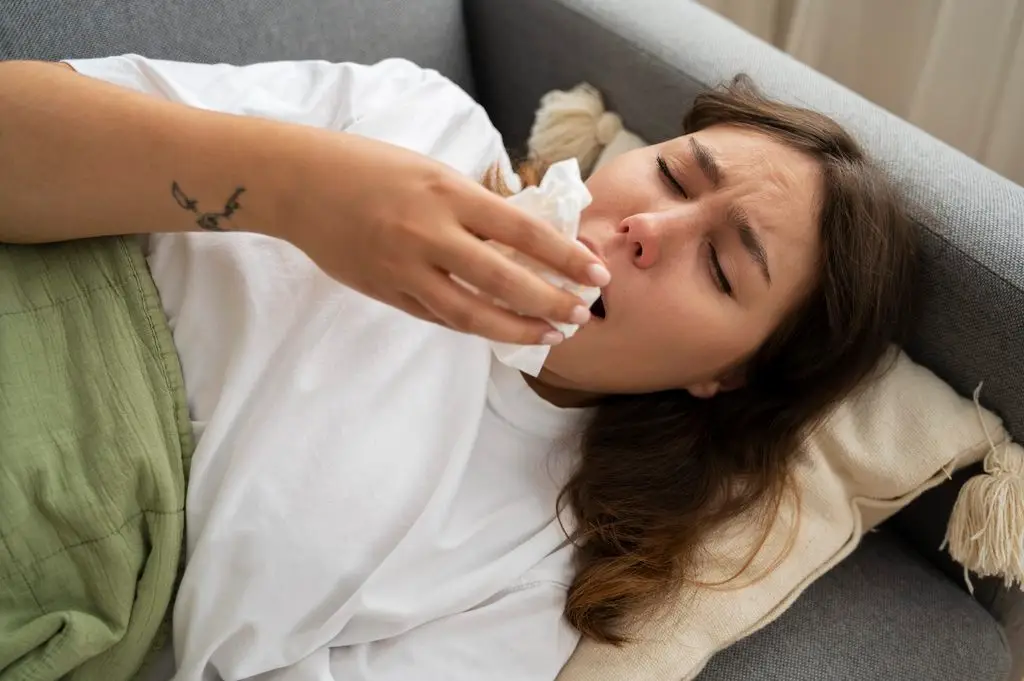
Why Does CPAP Cause Dry Mouth?
CPAP dry mouth usually happens when the airflow from your machine removes moisture from your mouth faster than your body can replace it.
Several factors can contribute to the problem:
- Breathing through your mouth during sleep
- Air escaping from the mask
- Low humidity
- Nasal congestion
- An incorrectly fitted mask
- Using a nasal mask while frequently mouth breathing
- Certain medications or health conditions that already reduce saliva
- Sleeping with your mouth open
According to Sleep Foundation, mouth breathing, reduced saliva production, and mask leaks are among the common contributors to dry mouth during CPAP therapy.
Therefore, simply drinking more water may not solve the underlying problem.
Is CPAP Dry Mouth Normal?
Dry mouth is a common complaint among people starting or continuing CPAP therapy. However, you should not assume that you have to tolerate severe dryness every night.
If you regularly wake up with:
- A very dry mouth
- A dry or scratchy throat
- Thick or sticky saliva
- Increased thirst
- Mouth discomfort
- Difficulty speaking comfortably in the morning
it is worth investigating the cause.
Persistent dryness can make CPAP therapy less comfortable and may affect your ability to use the treatment consistently. Sleep Foundation recommends speaking with a doctor or sleep specialist if dryness continues despite basic adjustments.
CPAP Dry Mouth at Night: The Most Common Causes
Mouth Breathing During Sleep
One of the biggest causes of CPAP dry mouth at night is mouth breathing.
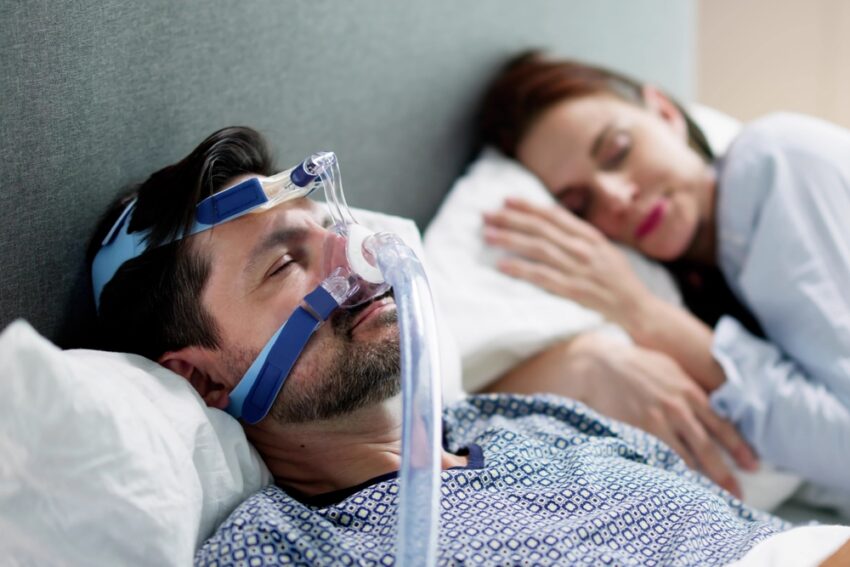
If you use a nasal mask or nasal pillows but your mouth opens while you sleep, pressurized air can escape through your mouth. This airflow can leave your mouth and throat extremely dry by morning.
Mouth breathing may become more likely when you have:
- Nasal congestion
- Allergies
- A blocked nose
- Habitual mouth breathing
- Difficulty breathing comfortably through your nose
If mouth leak happens frequently, a sleep specialist or CPAP provider may recommend evaluating your mask type. A full-face mask allows therapy air to enter through both the nose and mouth.
CPAP Mask Leaking
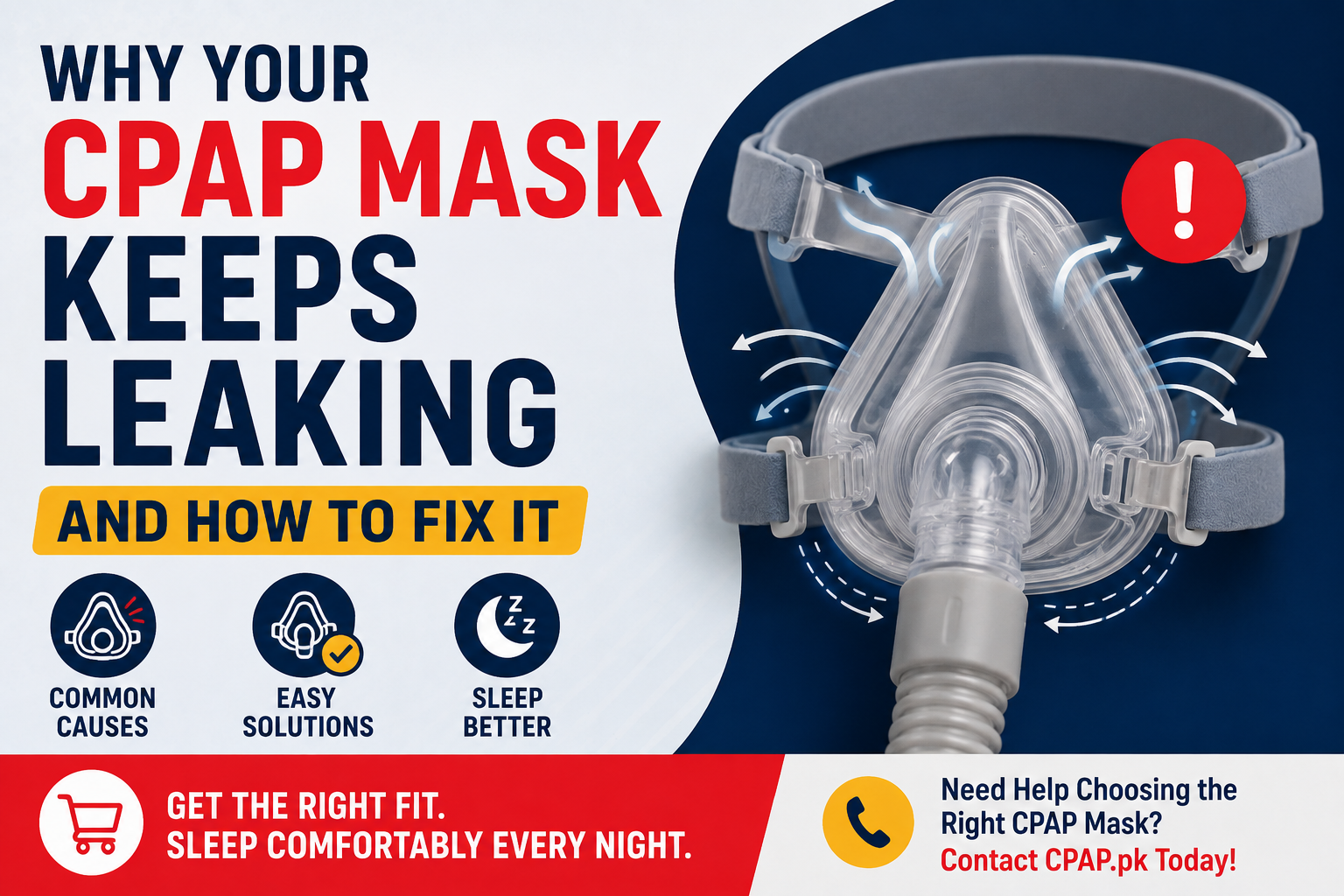
A CPAP mask leak can also contribute to dryness.
If air escapes around the cushion, you may hear a hissing sound or feel air blowing toward your face. Some users also notice dry eyes or wake up repeatedly during the night.
Check whether:
- Your mask is the correct size.
- The cushion sits evenly against your face.
- Your straps are not excessively loose or tight.
- The cushion shows signs of wear.
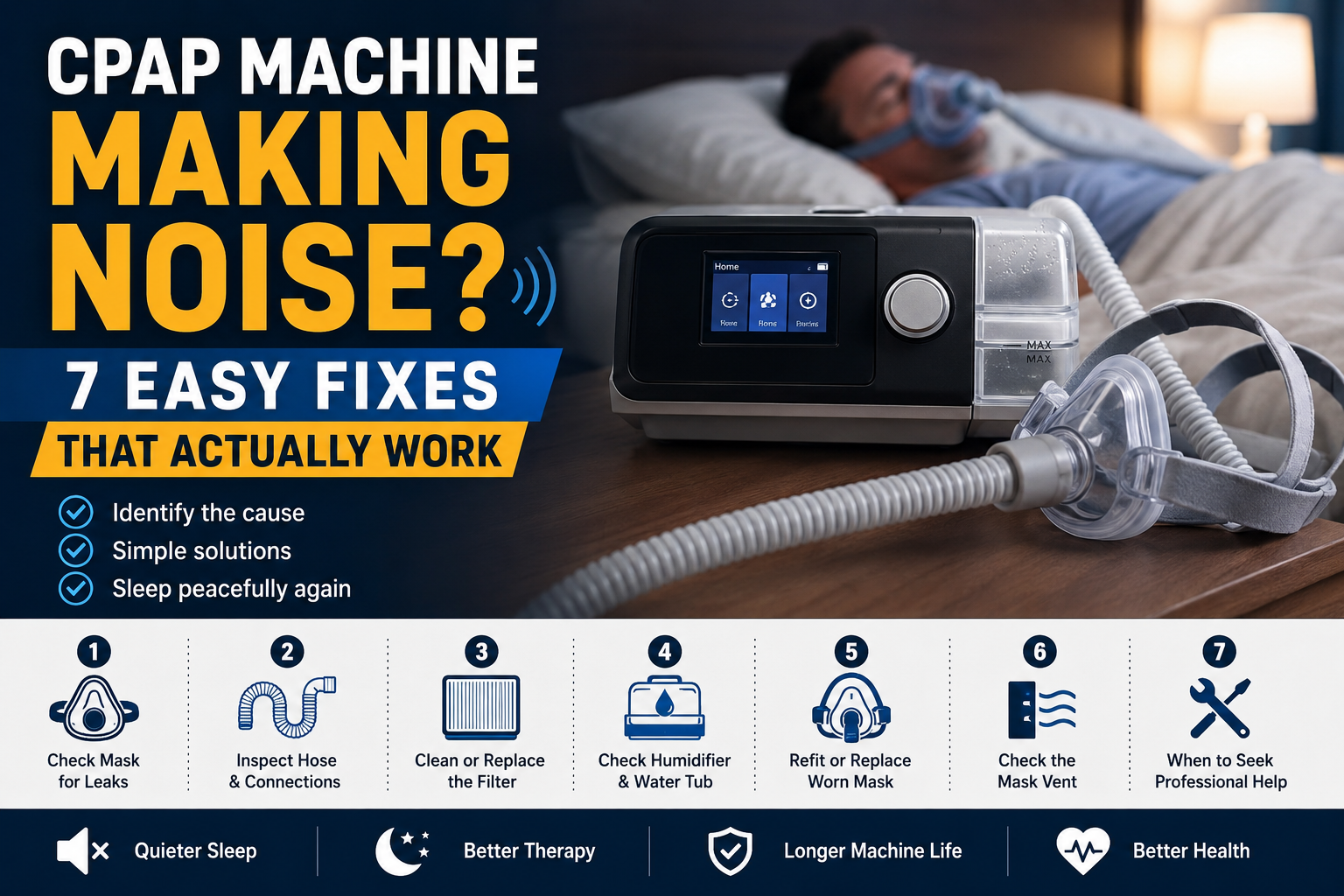
- Your tubing and connections are secure.
Importantly, do not simply tighten the mask as much as possible. An overly tight mask can distort the cushion and create additional discomfort.
How to Stop Dry Mouth From CPAP
If you are wondering how to stop dry mouth from CPAP, start with the simplest solutions first.
1. Check Your Mask Fit
A properly fitted mask should create a reliable seal without excessive pressure.
Try fitting the mask while the machine is running. Make small adjustments rather than tightening every strap at once.
If air continues to escape from the same area, ask your CPAP provider whether you need a different cushion size or mask design.
2. Consider a CPAP Humidifier
A CPAP humidifier for dry mouth can add moisture to the pressurized air you breathe.
Heated humidification is commonly used to reduce dryness and improve comfort during PAP therapy. AASM guidance also identifies heated humidification as an option for reducing PAP-related side effects.
ResMed explains that humidification adds moisture and warmth to the air delivered by the machine, which can help reduce mouth and nasal dryness.
However, more humidity is not always better.
If you start seeing water droplets inside the mask or tubing, you may be experiencing condensation, commonly called CPAP rainout. Adjusting humidity or tube temperature may help.
3. Address Nasal Congestion
A blocked nose can encourage you to breathe through your mouth.
If allergies, congestion, or nasal irritation make nasal breathing difficult, discuss appropriate treatment with your healthcare professional. Do not start prescription or medicated nasal treatments without appropriate medical advice.
Improving nasal breathing may make it easier to maintain a comfortable seal with a nasal CPAP mask.
4. Consider Whether You Need a Different Mask
Your mask should match your breathing habits.
A nasal mask may work well if you comfortably breathe through your nose. However, frequent mouth breathing may make a full-face interface more appropriate for some users.
AASM clinical guidance recommends having different PAP interfaces available, including nasal masks, nasal pillows, and full-face masks, when problems such as mouth leak or dryness occur.
Full Face CPAP Mask for Mouth Breathing
A full face CPAP mask covers both the nose and mouth. Therefore, it can be useful for people who regularly breathe through their mouth while sleeping.
Compared with a nasal mask, a full-face design can keep the treatment pathway available even when your mouth opens.
However, a full-face mask is not automatically the best choice for everyone. The correct mask depends on your breathing pattern, facial shape, comfort, pressure requirements, and healthcare provider’s recommendations.
When selecting a mask, consider:
- Facial fit
- Cushion size
- Sleeping position
- Mouth breathing
- Nasal congestion
- Comfort
- Ease of cleaning
- Availability of replacement parts
ResMed also notes that facial structure, sleeping position, breathing patterns, and mask design can all influence mask selection.
Can a Chin Strap Help With CPAP Dry Mouth?
A chin strap may help some people who experience occasional mouth opening while using a nasal mask.
The purpose is to help support the jaw and reduce mouth opening during sleep. However, it is not suitable for every person or every situation.
If you frequently wake up with severe CPAP mouth dryness, speak with your sleep specialist or equipment provider before relying on a chin strap as the only solution.
If mouth leak remains a problem, your provider may discuss whether a full-face mask would be more appropriate.
Simple Nightly Routine to Reduce CPAP Mouth Dryness
A consistent routine can make CPAP therapy easier to manage.
Before bed:
- Wash and dry your face.
- Check the mask cushion for damage or wear.
- Make sure the mask fits comfortably.
- Check the tubing and connections.
- Fill the humidifier according to the manufacturer’s instructions.
- Make sure your nose feels reasonably clear.
- Start therapy and check for obvious leaks.
During the night, if you wake up because of dryness, do not immediately increase the pressure yourself. Check whether the mask has shifted or whether you are breathing through your mouth.
Your prescribed pressure should only be changed under appropriate clinical guidance.
CPAP Machine Dry Mouth: What About Drinking Water?
Staying adequately hydrated during the day can support general comfort, but drinking large amounts of water immediately before bed will not necessarily fix CPAP machine dry mouth.
In fact, repeatedly waking to drink water can interrupt your sleep.
Instead, focus on the underlying cause:
| Possible Cause | What You Can Check |
| Mouth breathing | Consider mask type with your provider |
| Mask leak | Check fit, cushion and headgear |
| Low humidity | Discuss humidifier adjustment |
| Nasal congestion | Address the cause with medical guidance |
| Worn cushion | Inspect and replace when appropriate |
| Wrong mask style | Request a professional mask fitting |
This approach targets the source instead of simply treating the symptom.
CPAP Mask Price in Pakistan: What Should You Consider?
If you are searching for CPAP mask price in Pakistan, avoid choosing a mask based on price alone.
A mask that costs less but repeatedly leaks may become frustrating and uncomfortable. Instead, compare:
- Mask type
- Brand
- Cushion design
- Available sizes
- Headgear
- Replacement cushions
- Compatibility with your CPAP or BiPAP device
- Local availability
- Supplier support
For people who need a new interface, CPAP.pk can naturally become part of the purchasing journey by offering suitable CPAP mask options for users in Pakistan.
CPAP and BiPAP Masks in Pakistan
People searching for CPAP and Bipap Masks in Pakistan often want to know which interface will provide better comfort.
The important point is that mask selection should not depend only on whether the machine is labelled CPAP or BiPAP. The mask must also fit correctly and suit your breathing pattern.
Common options include:
- Full-face masks
- Nasal masks
- Nasal pillow masks
If you are experiencing CPAP dry mouth, your mask type may deserve closer attention, especially if you use a nasal interface but regularly breathe through your mouth.
When Should You Talk to Your Doctor?
Occasional mild dryness may improve after adjusting your mask or humidification. However, persistent symptoms deserve professional attention.
Speak with your healthcare provider if:
- Dry mouth continues every night.
- You frequently wake up because of dryness.
- You have persistent mouth or throat discomfort.
- Your mask leaks repeatedly.
- You cannot tolerate your CPAP therapy.
- You experience significant nasal obstruction.
- Your therapy data shows persistent problems.
- You are considering changing your pressure settings.
Dry mouth can have causes unrelated to CPAP, including certain medications and other health conditions. Therefore, persistent symptoms should not automatically be blamed on your machine.
Frequently Asked Questions
Why does CPAP cause dry mouth?
CPAP can contribute to dry mouth because pressurized airflow may dry the mouth, particularly when you breathe through your mouth or experience a mask leak. Low humidity can also contribute to dryness.
How do I stop CPAP dry mouth?
Start by checking your mask seal, addressing mouth breathing, and discussing humidification with your healthcare provider or CPAP supplier. A different mask style may also help if your current mask does not suit your breathing pattern.
Does a CPAP humidifier help dry mouth?
Yes, humidification can add moisture to CPAP airflow and may improve dryness. However, the correct humidity level varies from person to person. Too much humidity can cause condensation in the tubing or mask.
Can a full-face CPAP mask help with dry mouth?
A full-face mask may help people who breathe through their mouth during sleep because it covers both the nose and mouth. However, proper fitting remains essential.
Why is my mouth still dry even with a humidifier?
You may still have mouth breathing, mask leakage, nasal congestion, medication-related dryness, or another underlying cause. Check your mask fit and discuss persistent symptoms with your healthcare provider.
Should I stop using CPAP because of dry mouth?
Do not stop prescribed CPAP therapy simply because of dry mouth without discussing the problem with your healthcare provider. In many cases, mask fitting, humidification, or other comfort adjustments can address the problem.
Conclusion
CPAP dry mouth is uncomfortable, but you do not necessarily have to live with it every night.
Mouth breathing, mask leaks, low humidity, and nasal congestion are common factors to investigate.
A proper mask fit and suitable humidification can make CPAP therapy much more comfortable.
If you breathe through your mouth, ask your provider whether a full-face mask could be appropriate for you.
Most importantly, do not change your prescribed pressure without professional guidance.
If dryness continues, get your mask and therapy reviewed by a qualified sleep professional.
Struggling with dry mouth or an uncomfortable CPAP mask? Explore suitable CPAP masks and accessories at CPAP and find a more comfortable setup for better sleep.