
Stroke is one of the leading causes of death and disability worldwide. While many people focus on diet, blood pressure, and cholesterol, they often ignore a hidden risk factor poor sleep. Medical experts now confirm a strong link between breathing disorders and brain health. In fact, the sleep apnea stroke risk is significantly higher in individuals who leave this condition untreated.
If you experience loud snoring, fatigue, or interrupted breathing during sleep, your risk may already be elevated. Therefore, understanding the connection between sleep apnea and stroke is essential for prevention and long-term health. At CPAP we help patients identify and treat sleep apnea early to reduce serious health risks.
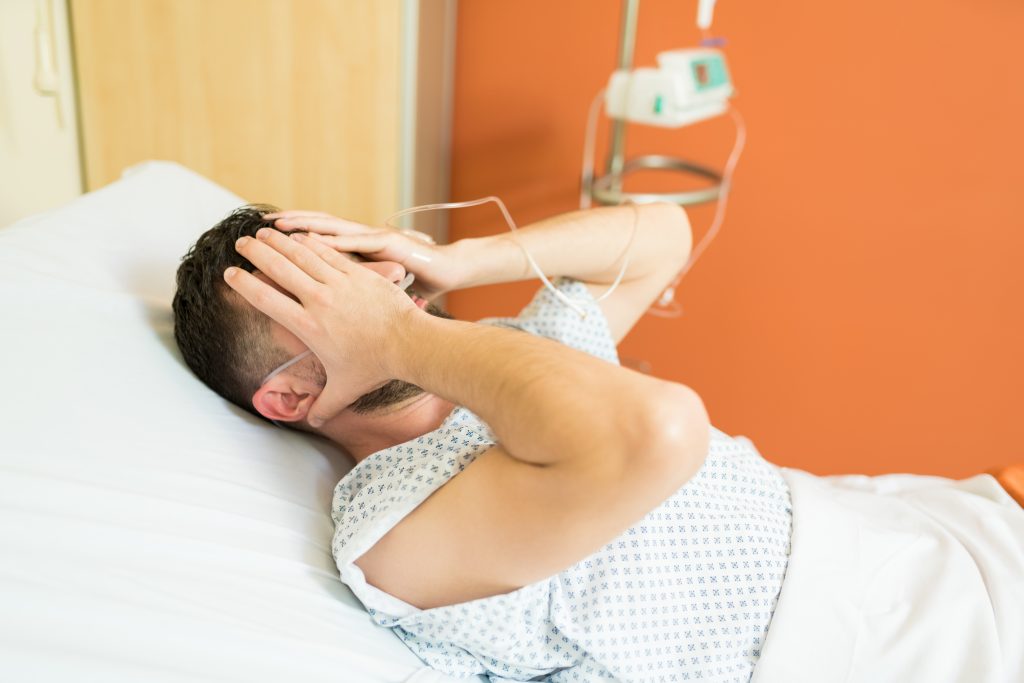
What Is Sleep Apnea?
Before exploring the risks, it is important to understand what is sleep apnea. Sleep apnea is a disorder in which breathing repeatedly stops and starts during sleep.
Types of Sleep Apnea
- Obstructive Sleep Apnea (OSA) – caused by airway blockage
- Central Sleep Apnea – caused by brain signal issues
- Complex Sleep Apnea – combination of both
Among these, obstructive sleep apnea is the most common and strongly linked to stroke.
Sleep Apnea Stroke Risk: What Doctors Say
Doctors warn that untreated sleep apnea can significantly increase stroke risk. The sleep apnea stroke risk arises due to repeated oxygen deprivation and disrupted sleep cycles.
Why Stroke Risk Increases
- Reduced oxygen supply to the brain
- Increased blood pressure
- Inflammation in blood vessels
- Higher risk of blood clots
Because these factors directly affect brain health, patients with untreated sleep apnea face a much higher chance of stroke.
Obstructive Sleep Apnea as a Risk Factor for Stroke and Death
Medical studies describe obstructive sleep apnea as a risk factor for stroke and death. This happens because the body undergoes repeated stress during sleep.
Key Mechanisms
- Oxygen levels drop frequently
- Heart rate fluctuates abnormally
- Blood vessels become damaged
- Brain cells receive less oxygen
As a result, long-term damage increases the likelihood of both stroke and cardiovascular complications.
Does Sleep Apnea Increase Risk of Heart Attack?
Many patients ask, does sleep apnea increase risk of heart attack? The answer is yes. Sleep apnea affects both the brain and the heart.
Shared Risk Factors
- High blood pressure
- Reduced oxygen levels
- Increased stress hormones
Because heart health and brain health are closely connected, untreated sleep apnea raises the risk of both stroke and heart attacks.
Sleep Apnea Stroke Symptoms You Should Watch
Recognizing early warning signs can help prevent severe complications.
Common Sleep Apnea Symptoms
- Loud snoring
- Daytime fatigue
- Morning headaches
- Interrupted breathing
- Poor concentration
Stroke Warning Signs
- Sudden weakness or numbness
- Difficulty speaking
- Vision problems
- Severe headache
- Loss of balance
If these symptoms appear, immediate medical attention is necessary.
Can Sleep Apnea Cause Life-Threatening Complications?
Many people wonder, can sleep apnea kill you? While sleep apnea itself may not directly cause death, its complications can be life-threatening.
Serious Health Risks
- Stroke
- Heart attack
- High blood pressure
- Diabetes complications
Therefore, ignoring symptoms can lead to severe outcomes. Addressing the sleep apnea stroke risk early is essential for survival and quality of life.
Diagnosis: How to Confirm Sleep Apnea
Accurate diagnosis plays a key role in preventing stroke.
Common Diagnostic Methods
- Home sleep test
- Laboratory sleep study
- Oxygen level monitoring
Early diagnosis helps identify the sleep apnea stroke risk and allows timely treatment.
Effective Sleep Apnea Treatment Options
Once diagnosed, treatment becomes critical.
1. CPAP Therapy (Most Effective)
CPAP therapy is the gold standard for sleep apnea treatment. It keeps airways open during sleep using continuous airflow.
Benefits of CPAP Therapy
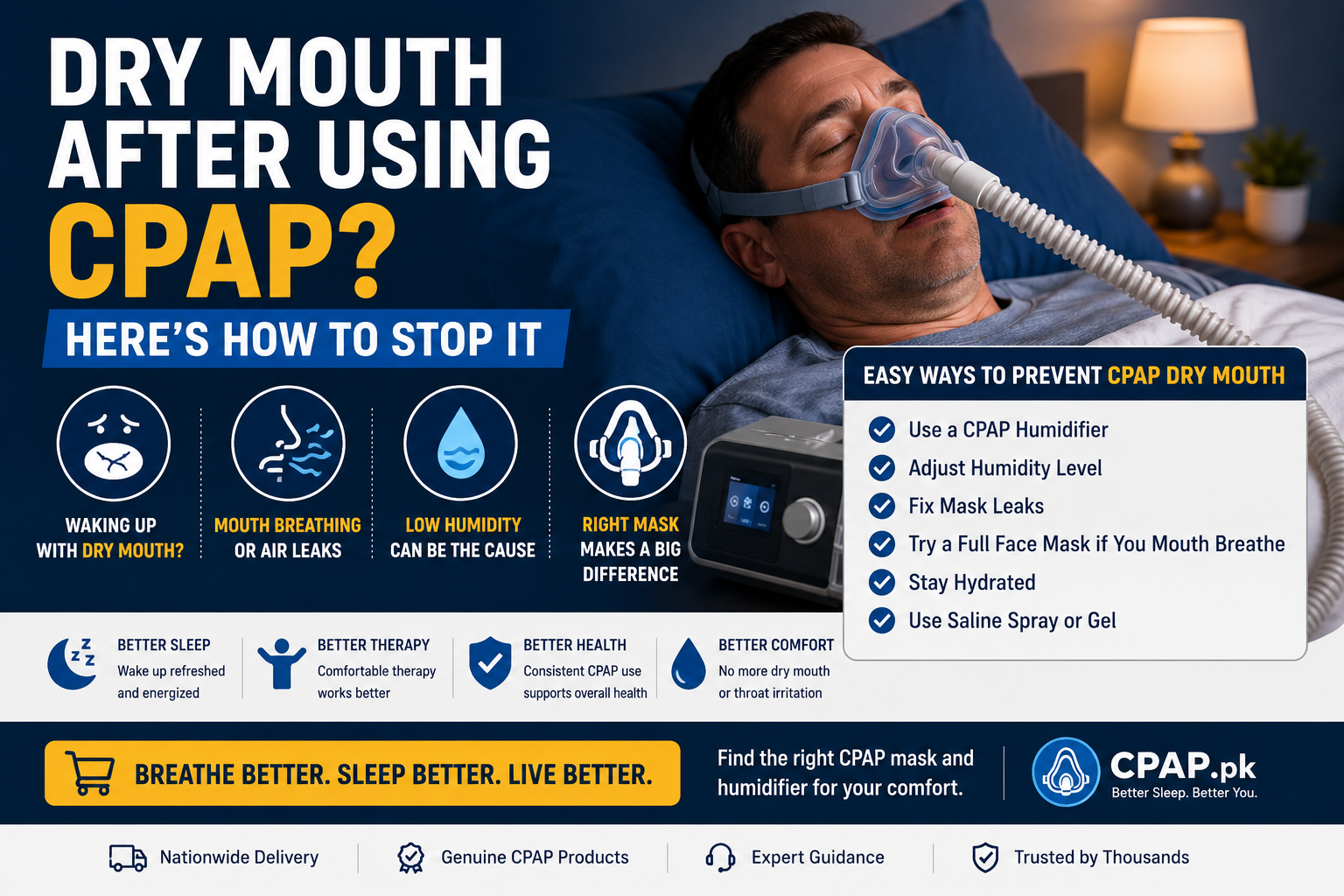
- Maintains oxygen levels
- Reduces blood pressure
- Improves sleep quality
- Lowers stroke risk
At CPAP.pk, we provide high-quality CPAP devices designed for effective long-term use.
2. Lifestyle Changes
Doctors may also recommend:
- Weight loss
- Regular exercise
- Avoiding alcohol before sleep
- Sleeping on your side
However, lifestyle changes alone may not fully eliminate the sleep apnea stroke risk.
Comparison: Untreated vs Treated Sleep Apnea
| Untreated Sleep Apnea | Treated with CPAP |
| High stroke risk | Reduced stroke risk |
| Poor oxygen levels | Stable oxygen supply |
| Fatigue and brain fog | Improved focus |
| Increased heart risk | Better heart health |
Clearly, proper treatment significantly improves overall health.
Why Choose CPAP.pk?
At CPAP.pk, we focus on improving patient outcomes through advanced sleep solutions.
Our Services
- Sleep apnea diagnosis
- CPAP therapy solutions
- Expert guidance
- Nationwide delivery
We aim to reduce health risks, including the sleep apnea stroke risk, by providing reliable and effective treatment options.
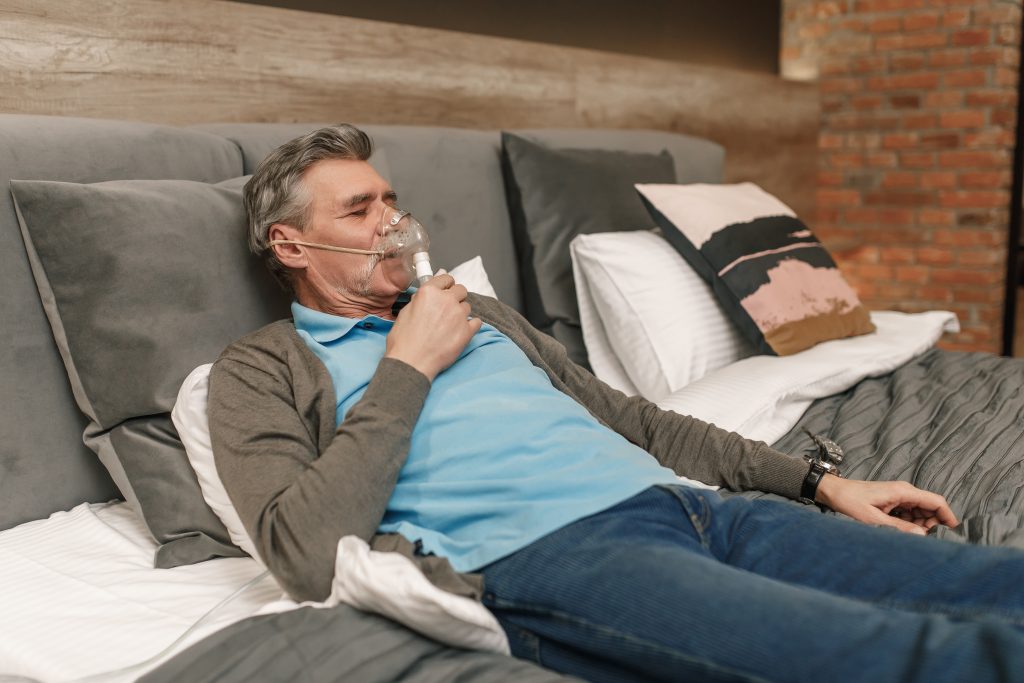
Conclusion
Sleep apnea is more than just a sleep disorder it is a serious health condition that can increase the risk of stroke and heart disease. The sleep apnea stroke risk arises from repeated oxygen deprivation, inflammation, and cardiovascular stress.
Fortunately, early diagnosis and proper treatment can significantly reduce these risks. CPAP therapy remains the most effective solution, helping patients maintain healthy oxygen levels and improve sleep quality.
If you experience symptoms such as snoring, fatigue, or breathing interruptions, do not ignore them. Visit cpap.pk to explore diagnostic and treatment options that can protect your health and prevent life-threatening complications.
Frequently Asked Questions
1. Does sleep apnea increase stroke risk?
Yes. Sleep apnea significantly increases stroke risk due to oxygen deprivation and high blood pressure.
2. Can sleep apnea cause stroke directly?
Sleep apnea does not directly cause stroke but increases risk factors that lead to stroke.
3. What are common sleep apnea symptoms?
Common symptoms include snoring, fatigue, headaches, and interrupted breathing.
4. Is CPAP therapy effective in reducing stroke risk?
Yes. CPAP therapy improves oxygen levels and reduces cardiovascular stress, lowering stroke risk.
5. Should I get tested for sleep apnea?
Yes. If you have symptoms, early testing can help prevent serious complications.
About the Author
This article was written by a healthcare content specialist associated with CPAP.pk. The content is based on medical research and expert insights to provide accurate and reliable information for patients in Pakistan.