

Is your blood sugar still high despite medication, diet control, and regular exercise? Many people in Pakistan face this frustrating situation. However, one hidden factor often goes unnoticed poor sleep quality. Recent research highlights a strong sleep apnea and diabetes connection, showing how disrupted breathing during sleep can directly affect blood sugar levels.
If you constantly struggle with uncontrolled diabetes, it may not just be your diet or lifestyle. Instead, your sleep could be the missing piece. At CPAP we help patients identify and treat sleep-related breathing disorders that impact overall health, including diabetes.
What Is Sleep Apnea and Why It Matters?
Sleep apnea is a condition where breathing repeatedly stops during sleep. As a result, oxygen levels drop, and the body enters a stress response. Although these interruptions are brief, they occur multiple times throughout the night.
Common Sleep Apnea Symptoms
- Loud snoring
- Daytime fatigue
- Morning headaches
- Interrupted breathing
- Poor concentration
Because these symptoms seem common, many people ignore them. However, untreated sleep apnea can lead to serious health issues, including diabetes complications.
Understanding the Sleep Apnea and Diabetes Connection
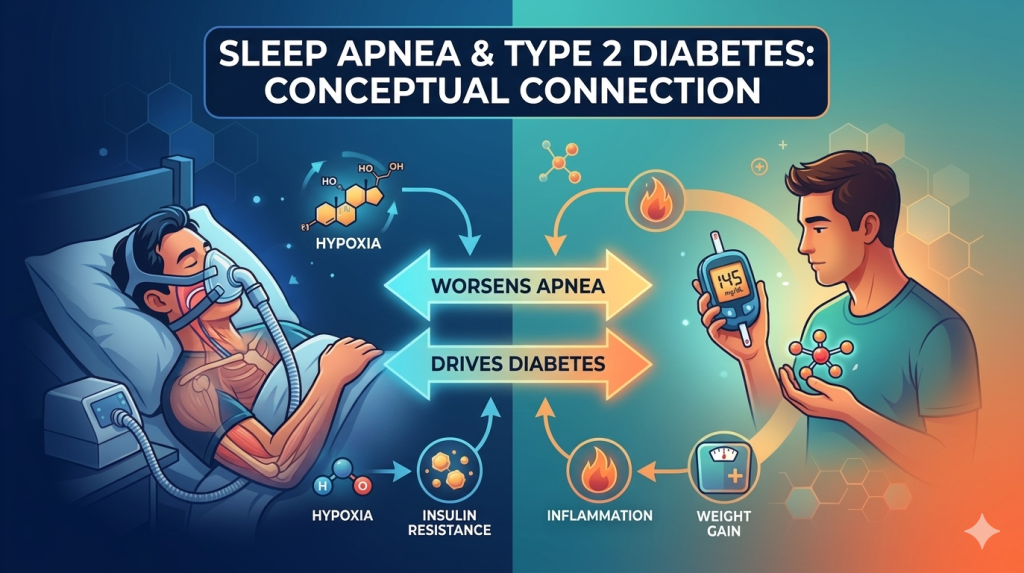
The sleep apnea and diabetes connection is now widely recognized in medical research. When your body experiences repeated oxygen drops, it triggers hormonal and metabolic changes.
How Sleep Apnea Affects Blood Sugar
- Insulin Resistance Increases
Poor sleep reduces insulin sensitivity. As a result, your body cannot regulate glucose effectively. - Stress Hormones Rise
Sleep disruption increases cortisol levels, which raises blood sugar. - Inflammation Develops
Chronic oxygen deprivation leads to inflammation, worsening diabetes control.
Because of these factors, patients with sleep apnea often struggle with uncontrolled diabetes despite treatment.
Sleep Apnea and Insulin Resistance
One of the strongest links in the sleep apnea and diabetes connection is insulin resistance. When the body cannot use insulin properly, blood sugar levels remain high.
Key Effects
- Reduced glucose uptake by cells
- Increased fat storage
- Higher risk of type 2 diabetes
Studies show that treating sleep apnea can improve insulin sensitivity. Therefore, addressing this condition may significantly improve diabetes outcomes.
Sleep Apnea and Diabetes Type 1 vs Type 2
Although most research focuses on type 2 diabetes, there is also a link between sleep apnea and diabetes type 1.
Type 1 Diabetes
- Sleep apnea can worsen glucose fluctuations
- Night-time hypoxia affects insulin response
Type 2 Diabetes
- Strong connection with obesity and insulin resistance
- More common among sleep apnea patients
Therefore, understanding the sleep apnea and diabetes connection is important for both types of diabetes.
Snoring and Diabetes – A Warning Sign
Many people ignore snoring as a harmless habit. However, snoring often indicates airway obstruction.
Why Snoring Matters
- It signals possible sleep apnea
- It disrupts sleep cycles
- It affects oxygen levels
Because of this, the link between snoring and diabetes should not be ignored. Persistent snoring combined with fatigue may require a sleep evaluation.
Sleep Apnea, Diabetes, and High Blood Pressure
The connection does not stop at diabetes. Patients often experience sleep apnea diabetes high blood pressure together.
Why These Conditions Occur Together
- Oxygen deprivation stresses the heart
- Blood vessels become less flexible
- Hormonal imbalance increases blood pressure
As a result, managing all three conditions together becomes essential for long-term health.
Diagnosis: Sleep Testing in Pakistan
If you suspect sleep apnea, proper diagnosis is critical.
Available Testing Options
- Home sleep test
- Laboratory sleep study
- Oxygen monitoring
Many patients search for:
- Sleep study test cost in Pakistan
- Sleep apnea diagnosis services
- Sleep test in major cities
Early testing helps confirm the sleep apnea and diabetes connection and allows timely treatment.
Effective Sleep Apnea Treatment Options
Once diagnosed, treatment becomes essential for improving both sleep and blood sugar control.
1. CPAP Therapy (Gold Standard)
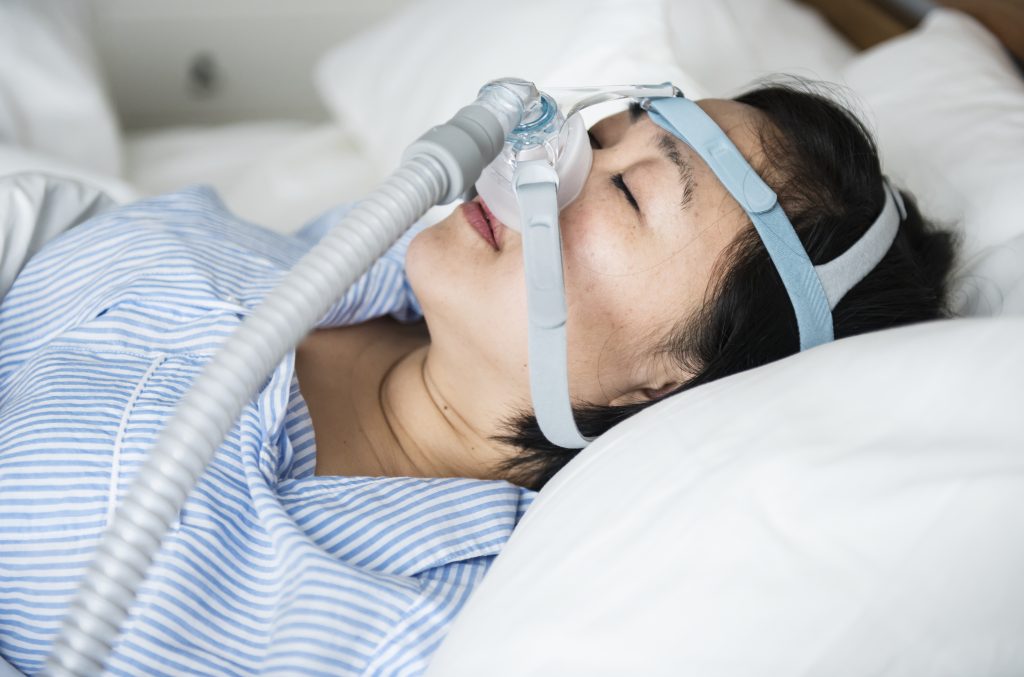
CPAP therapy is the most effective sleep apnea treatment. It delivers continuous airflow to keep airways open.
Benefits for Diabetic Patients
- Stabilizes oxygen levels
- Improves insulin sensitivity
- Reduces stress hormones
- Enhances sleep quality
At CPAP.pk, we offer advanced CPAP machines designed for long-term therapy success. Patients often explore CPAP machine price in Pakistan to find suitable options.
2. Lifestyle Changes
Doctors may also recommend:
- Weight management
- Healthy diet
- Regular exercise
- Sleep hygiene improvement
Although helpful, these changes work best when combined with CPAP therapy.
Real-Life Impact: Before vs After Treatment
| Without Treatment | With CPAP Therapy |
| Uncontrolled blood sugar | Improved glucose levels |
| Poor sleep quality | Restful sleep |
| High fatigue | Better energy |
| Increased complications | Reduced health risks |
Clearly, addressing the sleep apnea and diabetes connection can transform patient outcomes.
Why Choose CPAP.pk?
At CPAP.pk, we provide complete solutions for sleep apnea diagnosis and treatment.
Our Services Include
- Advanced sleep testing
- High-quality CPAP devices
- Expert consultation
- Nationwide delivery
We focus on improving overall health, including conditions like diabetes and cardiovascular issues.
Conclusion
Managing diabetes becomes difficult when hidden factors remain untreated. The sleep apnea and diabetes connection highlights how poor sleep can directly affect blood sugar control. Repeated oxygen deprivation, hormonal imbalance, and inflammation all contribute to worsening diabetes.
Fortunately, effective solutions exist. CPAP therapy improves sleep quality, stabilizes oxygen levels, and enhances insulin sensitivity. Therefore, addressing sleep apnea can significantly improve diabetes management and overall health.
If your blood sugar remains uncontrolled despite treatment, consider evaluating your sleep. Visit cpap.pk to explore testing and treatment options that can transform your health.
Frequently Asked Questions
1. Can sleep apnea cause diabetes?
Sleep apnea does not directly cause diabetes but increases insulin resistance, which raises the risk.
2. What is the sleep apnea and diabetes connection?
It refers to how disrupted sleep and oxygen levels affect blood sugar regulation and insulin function.
3. Can treating sleep apnea improve diabetes?
Yes. CPAP therapy can improve insulin sensitivity and help control blood sugar levels.
4. Is snoring related to diabetes?
Yes. Snoring can indicate sleep apnea, which is linked to poor blood sugar control.
5. Should diabetic patients get tested for sleep apnea?
Yes. Testing helps identify hidden factors affecting diabetes management.
About the Author
This article was written by a health content specialist associated with CPAP.pk. The content is based on medical research and expert insights to provide accurate and reliable information for patients in Pakistan.