
Sleep is very important for our body and mind. But many people in Pakistan struggle to sleep properly. Some cannot fall asleep. Some wake up many times during the night. Others wake up too early and cannot go back to sleep. This condition is called insomnia.
Many people think insomnia is only caused by stress. But sometimes, the real problem may be a breathing disorder during sleep, such as sleep apnea. Understanding the difference is very important for proper treatment.
In this article, we will explain insomnia in simple words and also discuss when CPAP therapy may help.
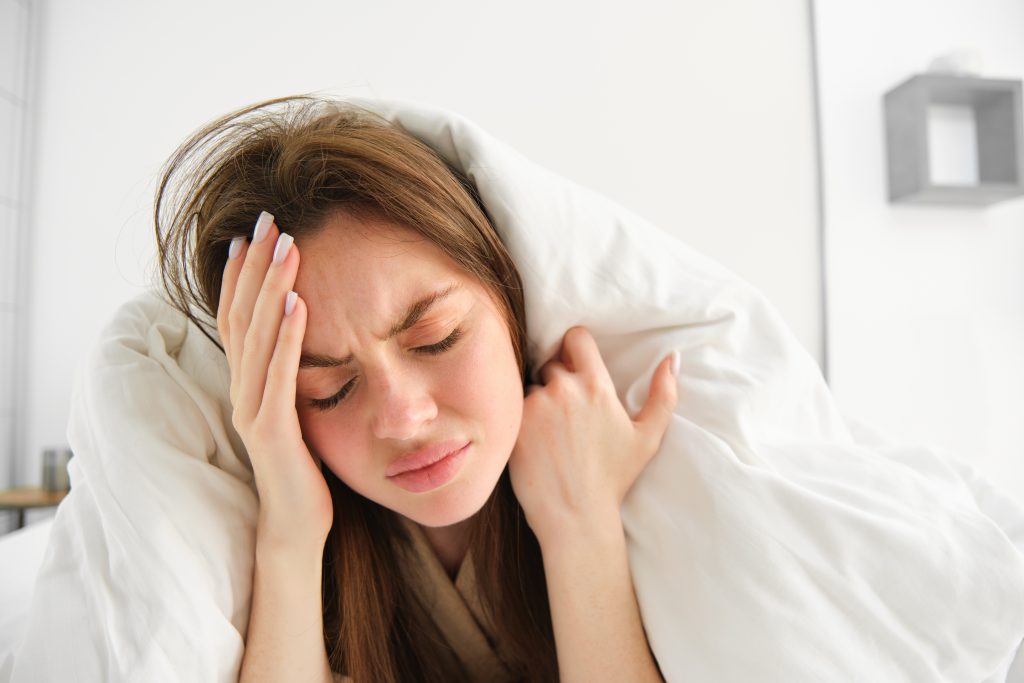
What Is Insomnia?
Insomnia is a sleep disorder in which a person has difficulty:
- Falling asleep
- Staying asleep
- Waking up too early
- Getting good quality sleep
Adults usually need 7 to 9 hours of sleep every night. If you regularly sleep much less than this and feel tired during the day, you may have insomnia.
There is a difference between occasional sleeplessness and chronic insomnia. If you cannot sleep for a few days due to stress or tension, it is temporary. But if sleep problems continue for weeks or months, it becomes a serious issue.
Types of Insomnia
1. Acute Insomnia
This is short-term insomnia. It can last for a few days or weeks. It usually happens because of stress, exams, job pressure, illness, or emotional problems.
2. Chronic Insomnia
This lasts for more than three months. It may be linked to medical problems, mental health issues, or other sleep disorders.
3. Onset Insomnia
This means difficulty falling asleep at night. You lie in bed but cannot sleep for hours.
4. Maintenance Insomnia
This means waking up many times during the night and finding it hard to go back to sleep.
Common Causes of Insomnia
Insomnia can have many causes.
Lifestyle Causes
- Using mobile phones late at night
- Watching TV in bed
- Drinking tea or coffee at night
- Irregular sleep schedule
Psychological Causes
- Anxiety
- Depression
- Overthinking
- Stress
Medical Causes
- Chronic pain
- Hormonal problems
- Acid reflux
- Breathing problems during sleep
One important cause that many people ignore is sleep apnea. Some people think they have insomnia, but actually their sleep is disturbed because their breathing stops again and again during the night.
Symptoms of Insomnia
Common symptoms include:
- Difficulty falling asleep
- Waking up frequently at night
- Waking up too early
- Feeling tired during the day
- Irritability
- Headaches
- Poor concentration
However, if your sleep problem also includes loud snoring, choking during sleep, or gasping for air, it may not be simple insomnia. It could be sleep apnea.
Insomnia vs Sleep Apnea – What Is the Difference?
Many people confuse these two conditions.
Insomnia is mainly a problem of not being able to sleep.
Sleep apnea is a breathing disorder where airflow stops repeatedly during sleep. Because of this, the brain wakes the body up again and again, which disturbs sleep.
Here is a simple comparison:
- Insomnia: Trouble falling or staying asleep
- Sleep Apnea: Breathing stops during sleep
- Insomnia: Usually related to stress or mental factors
- Sleep Apnea: Related to blocked airway or breathing issue
- Insomnia: Snoring is not common
- Sleep Apnea: Loud snoring is very common
If sleep apnea is not treated, it can cause symptoms similar to insomnia, such as poor sleep quality and daytime tiredness.
Can CPAP Therapy Help People With Insomnia?
CPAP stands for Continuous Positive Airway Pressure. It is a medical device used to treat sleep apnea.
A CPAP machine sends a steady flow of air through a mask to keep the airway open during sleep. This prevents breathing from stopping.
If your insomnia-like symptoms are caused by sleep apnea, CPAP therapy can help by:
- Reducing night awakenings
- Improving oxygen flow
- Improving sleep quality
- Reducing daytime fatigue
- Improving focus and mood
Many people who thought they had insomnia feel much better after starting CPAP therapy because the real problem was breathing disturbance.
If a doctor diagnoses sleep apnea, choosing the right CPAP machine and mask is very important for comfortable and effective treatment.
Treatment Options for Insomnia
Treatment depends on the cause.
1. Lifestyle Changes
- Go to bed at the same time every night
- Avoid mobile phone before sleep
- Reduce caffeine in the evening
- Keep bedroom dark and quiet
- Exercise regularly
2. Medical Treatment
- Cognitive Behavioral Therapy (CBT)
- Sleep medication (only under doctor advice)
3. Sleep Apnea Treatment
If breathing problems are causing poor sleep, doctors may recommend:
- Sleep study
- CPAP therapy
- Proper sleep evaluation
It is very important not to take sleeping pills without proper diagnosis. Treating symptoms without knowing the real cause can make the problem worse.
When Should You See a Doctor?
You should consult a doctor if:
- Insomnia lasts more than three weeks
- You snore loudly
- You stop breathing during sleep (as noticed by family)
- You wake up choking or gasping
- You feel extremely sleepy during the day
- You have high blood pressure along with poor sleep
These signs may indicate sleep apnea instead of simple insomnia.
Why Proper Sleep Diagnosis Matters
Many people treat sleep problems without knowing the real cause. Some people use sleeping pills for years, but the root cause remains untreated.
Untreated sleep apnea can increase the risk of:
- High blood pressure
- Heart disease
- Stroke
- Diabetes
- Memory problems
Proper diagnosis helps in choosing the right treatment. If sleep apnea is confirmed, CPAP therapy can significantly improve sleep quality and overall health.
FAQs
1. What is the main cause of insomnia?
The main cause of insomnia is usually stress, anxiety, or poor sleep habits. However, medical problems like chronic pain, depression, or breathing disorders during sleep can also cause insomnia. It is important to identify the real cause before starting treatment.
2. Is insomnia dangerous?
Short-term insomnia is not usually dangerous. But long-term insomnia can affect your health. It can lead to high blood pressure, weak immunity, poor concentration, mood problems, and increased risk of heart disease. That is why proper treatment is important.
3. Can sleep apnea cause insomnia?
Yes, sleep apnea can cause symptoms similar to insomnia. When breathing stops repeatedly during sleep, the brain wakes the body up many times during the night. This can make a person feel like they cannot stay asleep. If insomnia is linked to breathing problems, treating sleep apnea can improve sleep quality.
4. How do I know if I have insomnia or sleep apnea?
If you have trouble falling asleep but do not snore loudly, it may be insomnia.
If you snore loudly, wake up choking, or feel very tired during the day, it may be sleep apnea. A sleep study and medical evaluation can help confirm the diagnosis.
5. What is the best treatment for insomnia?
Treatment depends on the cause. It may include:
- Improving sleep habits
- Reducing stress
- Cognitive Behavioral Therapy (CBT)
- Medical treatment under doctor supervision
If the problem is related to sleep apnea, CPAP therapy may be recommended.
6. Can CPAP therapy improve sleep quality?
Yes. If poor sleep is caused by sleep apnea, CPAP therapy helps keep the airway open during sleep. This reduces breathing interruptions, improves oxygen levels, and helps the body stay asleep longer. Many patients experience better sleep and improved daytime energy after starting CPAP therapy.
7. When should I see a doctor for sleep problems?
You should see a doctor if:
- Sleep problems last more than three weeks
- You snore loudly
- You stop breathing during sleep
- You feel extreme daytime sleepiness
- You have high blood pressure along with poor sleep
Early diagnosis helps prevent serious health problems.

Final Thoughts
Insomnia is a common problem, but it should not be ignored. Good sleep is necessary for a healthy life. Sometimes the issue is stress or lifestyle habits. But sometimes the real problem is breathing disturbance during sleep.
If you or your family member experiences poor sleep along with loud snoring or breathing pauses, a sleep evaluation is very important.
When diagnosed with sleep apnea, CPAP therapy can help restore healthy sleep patterns and improve daily life. Choosing a reliable CPAP solution ensures comfort, safety, and better long-term health.
Better sleep leads to better health, better mood, and better productivity.