
Obesity is a condition where a person has too much body fat. It is not just about looks. It can seriously affect your health. Today, millions of people around the world are affected by obesity, and it is becoming more common each year.
One major concern is that obesity can lead to sleep and breathing problems, including sleep apnea. This means obesity does not only affect your heart, joints, and blood sugar, but it can also stop you from sleeping well. Understanding obesity and how it affects your body is the first step toward better health and better sleep.
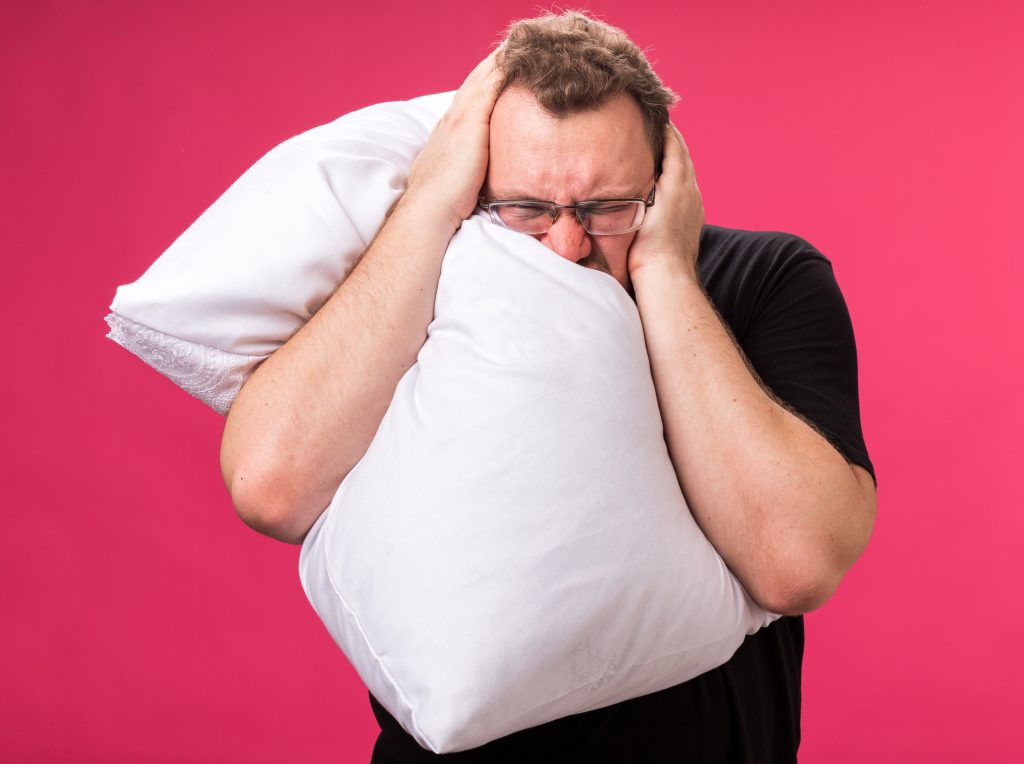
Causes of Obesity
Obesity happens when the calories you eat are more than the calories you burn. Some main causes include:
- Unhealthy diet: Eating too many processed foods, sugary drinks, and fast foods.
- Sedentary lifestyle: Spending most of your day sitting or lying down without enough exercise.
- Genetics: Your family history can affect how your body stores fat.
- Medical conditions & medications: Problems like thyroid issues or some medicines can cause weight gain.
- Stress and mental health: Stress, depression, or emotional eating can also contribute to obesity.
Health Risks of Obesity
Obesity affects almost every part of your body. Some of the most common health problems include:
- Heart problems: High blood pressure and heart disease.
- Diabetes: Obesity increases the risk of type 2 diabetes.
- Joint pain: Extra weight can hurt your knees, hips, and back.
- Mental health: Feeling low, stressed, or anxious because of weight.
- Breathing problems: Obesity can make it hard to breathe and increases the risk of sleep apnea.
Obesity is not just about weight. It can affect your quality of life in many ways.
Obesity and Sleep Disorders
Extra body weight, especially around the neck and chest, can make it hard to breathe while sleeping. This can lead to obstructive sleep apnea (OSA). People with sleep apnea may:
- Snore loudly
- Wake up feeling tired even after a full night’s sleep
- Experience shortness of breath during sleep
Obesity and sleep apnea are closely linked. Obesity can worsen sleep apnea, and sleep apnea can make weight management harder because poor sleep affects metabolism and energy levels.
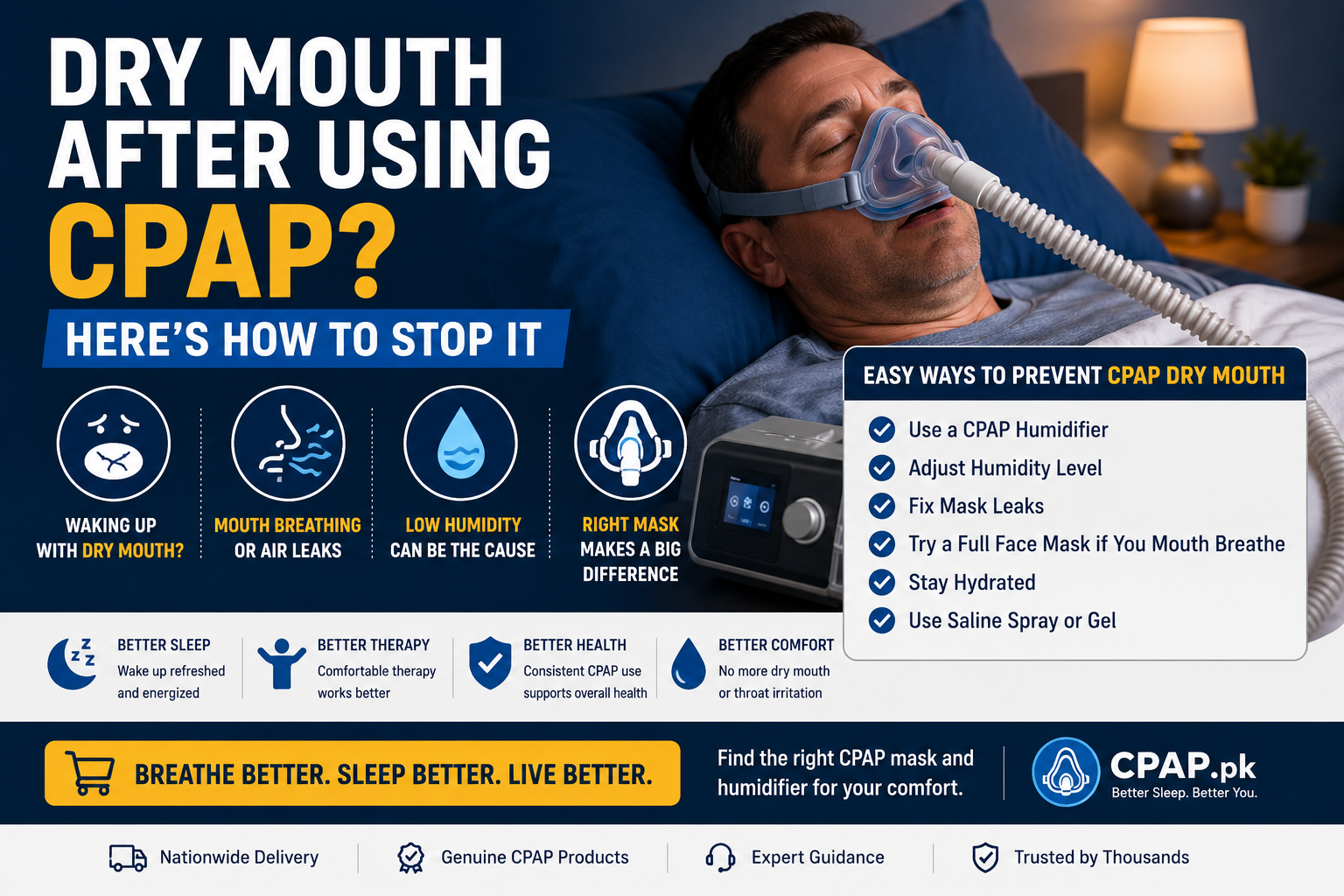
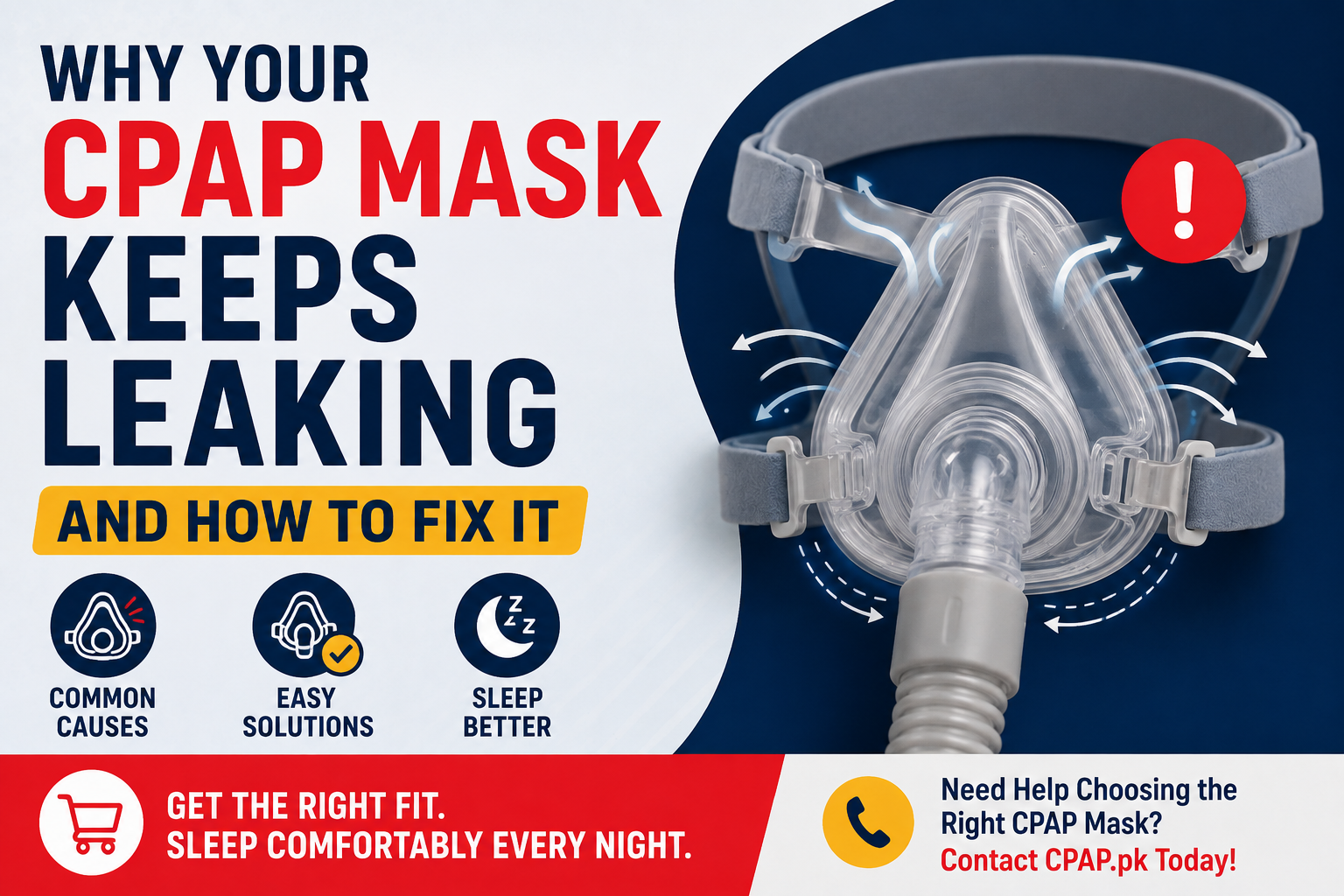
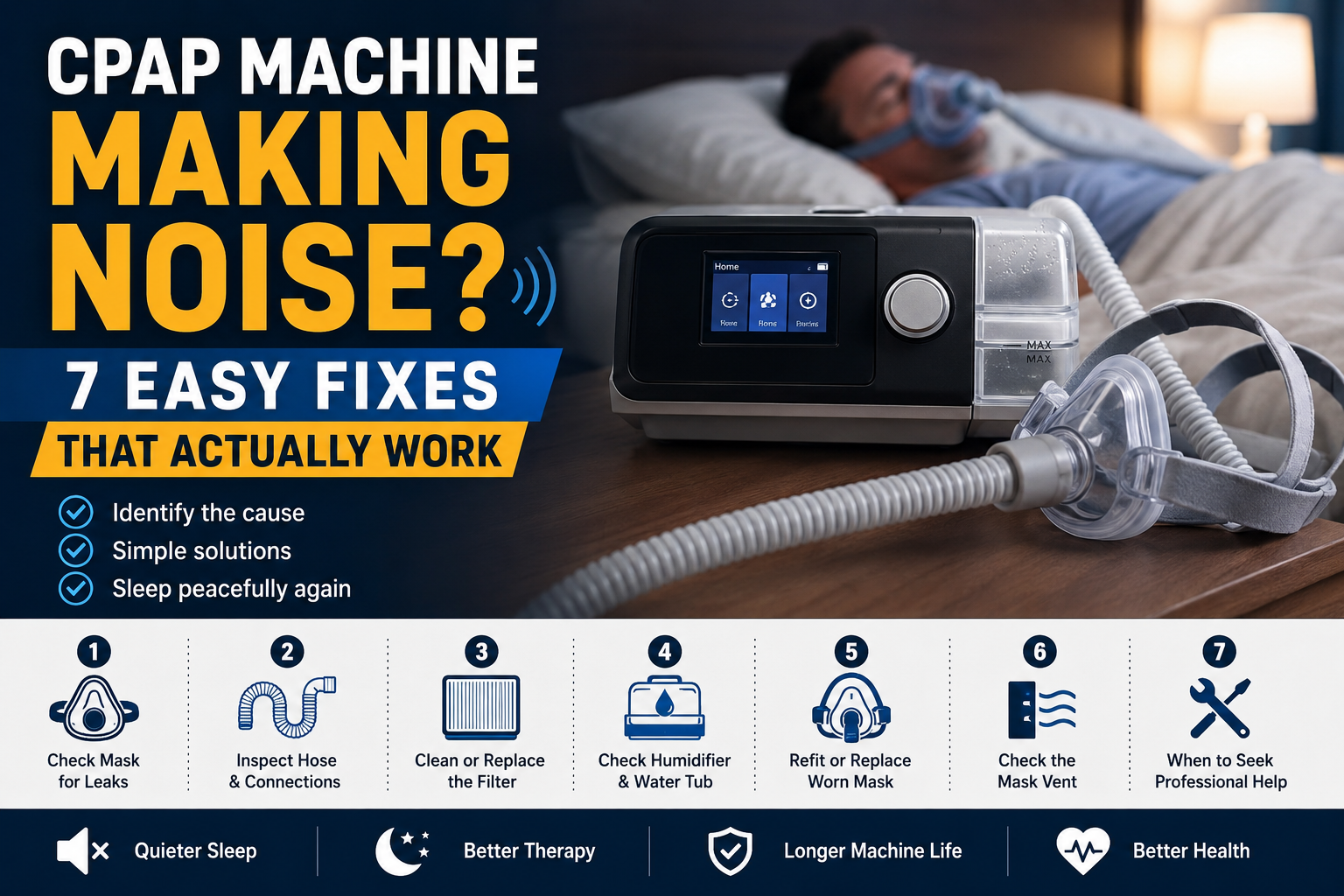
This is where CPAP therapy can help. CPAP (Continuous Positive Airway Pressure) devices keep your airways open while you sleep. This improves sleep quality, reduces snoring, and supports overall health. For people with obesity and sleep apnea, CPAP therapy can make a big difference.
Prevention and Management
Obesity can be managed with the right lifestyle and support. Some tips include:
- Eat healthy foods: Include fruits, vegetables, lean proteins, and whole grains. Avoid sugary drinks and junk food.
- Stay active: Exercise regularly, even walking for 30 minutes a day helps.
- Sleep well: Poor sleep can make you gain weight, so keep a regular sleep schedule.
- Medical support: Doctors can guide you with weight loss programs, medications, or surgery if needed.
- Sleep support: If you have sleep apnea, CPAP therapy can improve breathing and energy levels, helping you stay active and healthy.
Tips for Healthy Weight and Better Sleep
Here are some simple ways to manage weight and sleep better:
- Eat balanced meals with lots of vegetables and lean protein.
- Exercise regularly, including both cardio and strength training.
- Keep a regular sleep routine.
- Avoid caffeine, alcohol, or heavy meals before bedtime.
- Consult a doctor if you have trouble sleeping. CPAP therapy can help.
FAQs
1. What is obesity?
Obesity is a condition where a person has too much body fat, which can affect overall health and increase the risk of diseases like diabetes, heart problems, and sleep disorders.
2. How does obesity affect sleep?
Extra weight, especially around the neck and chest, can block airways while sleeping. This can lead to sleep apnea, causing poor sleep, snoring, and daytime fatigue.
3. Can obesity cause sleep apnea?
Yes. Obesity is one of the main risk factors for obstructive sleep apnea (OSA). Fat around the throat can block airflow during sleep, making breathing difficult.
4. How can CPAP therapy help people with obesity and sleep apnea?
CPAP (Continuous Positive Airway Pressure) therapy keeps your airways open while sleeping. It reduces snoring, improves sleep quality, and supports overall health, making it especially helpful for people with obesity.
5. What are simple ways to manage obesity?
Eating a healthy diet, exercising regularly, maintaining a sleep routine, and seeking medical guidance can help manage weight. For those with sleep apnea, CPAP therapy is an important support.
6. Is obesity reversible?
Yes. With lifestyle changes, medical support, and treatment for underlying conditions like sleep apnea, people can lose weight and reduce health risks. Early action improves results and overall well-being.
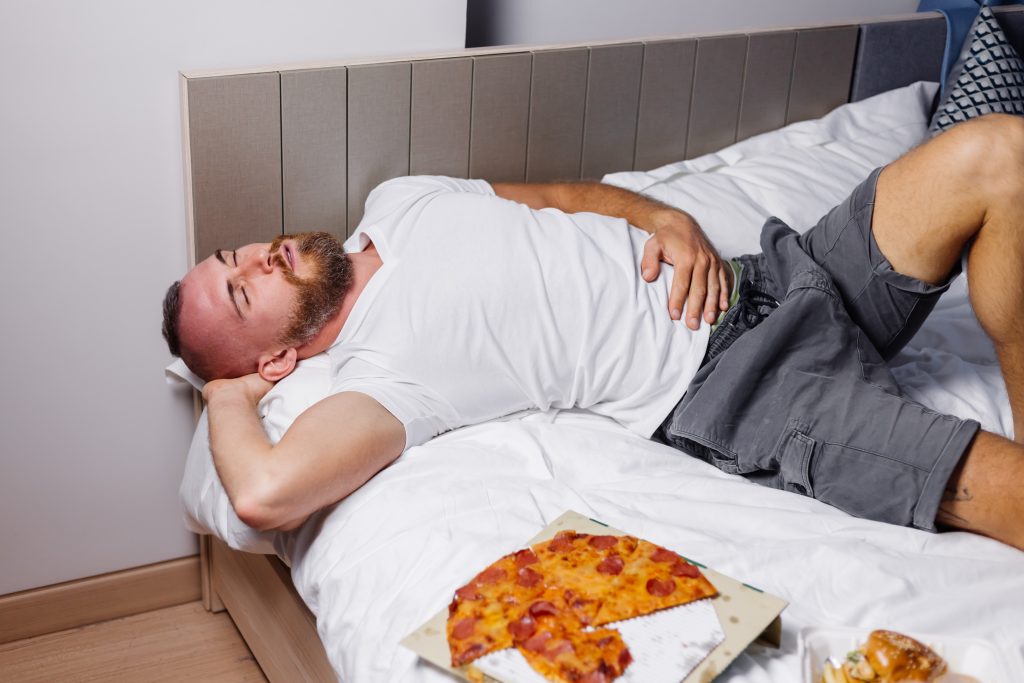
Conclusion
Obesity is more than just extra weight. It can affect your heart, joints, mental health, and sleep. Poor sleep caused by obesity can make health problems worse, especially sleep apnea.
The good news is that with healthy lifestyle changes, proper medical guidance, and CPAP therapy, people with obesity can improve their health and sleep quality.
Take control of your weight today, protect your heart, and sleep better tonight. If you or a loved one struggle with obesity and sleep issues, visit CPAP PK to learn how CPAP therapy can help you breathe better and sleep well.