
Breathing problems caused by lung diseases can seriously affect daily life, sleep quality, and overall health. Conditions such as COPD, sleep apnea, pulmonary edema, and chronic respiratory disorders often make it difficult for patients to breathe properly—especially during sleep. This is where CPAP therapy plays a vital role in modern respiratory care.
At (https://cpap.pk/), we provide trusted CPAP solutions designed to support patients suffering from lung and breathing-related conditions. This blog explains how CPAP machines help manage lung diseases, improve oxygen flow, and enhance quality of life.
Understanding Lung Diseases and Respiratory Challenges
Lung diseases affect how oxygen enters the bloodstream and how carbon dioxide is removed from the body. When lungs cannot function properly, patients may experience:
- Shortness of breath
- Chest tightness
- Fatigue
- Poor sleep quality
- Frequent nighttime awakenings
Common lung-related conditions include:
- Chronic Obstructive Pulmonary Disease (COPD)
- Obstructive Sleep Apnea (OSA)
- Pulmonary fibrosis
- Asthma-related breathing disorders
- Acute respiratory failure
These conditions often worsen at night due to relaxed airway muscles and reduced oxygen levels.
What Is CPAP Therapy?
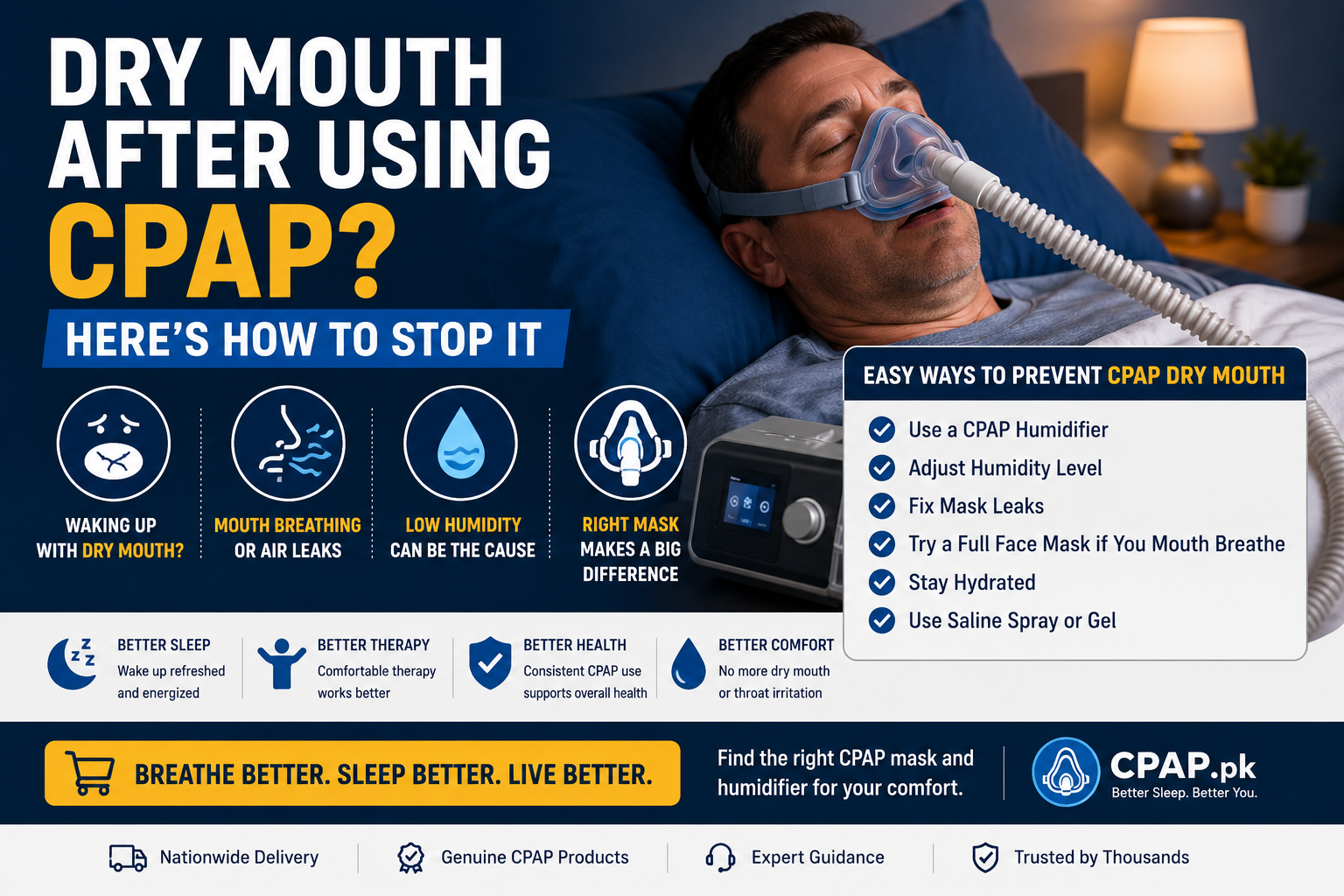
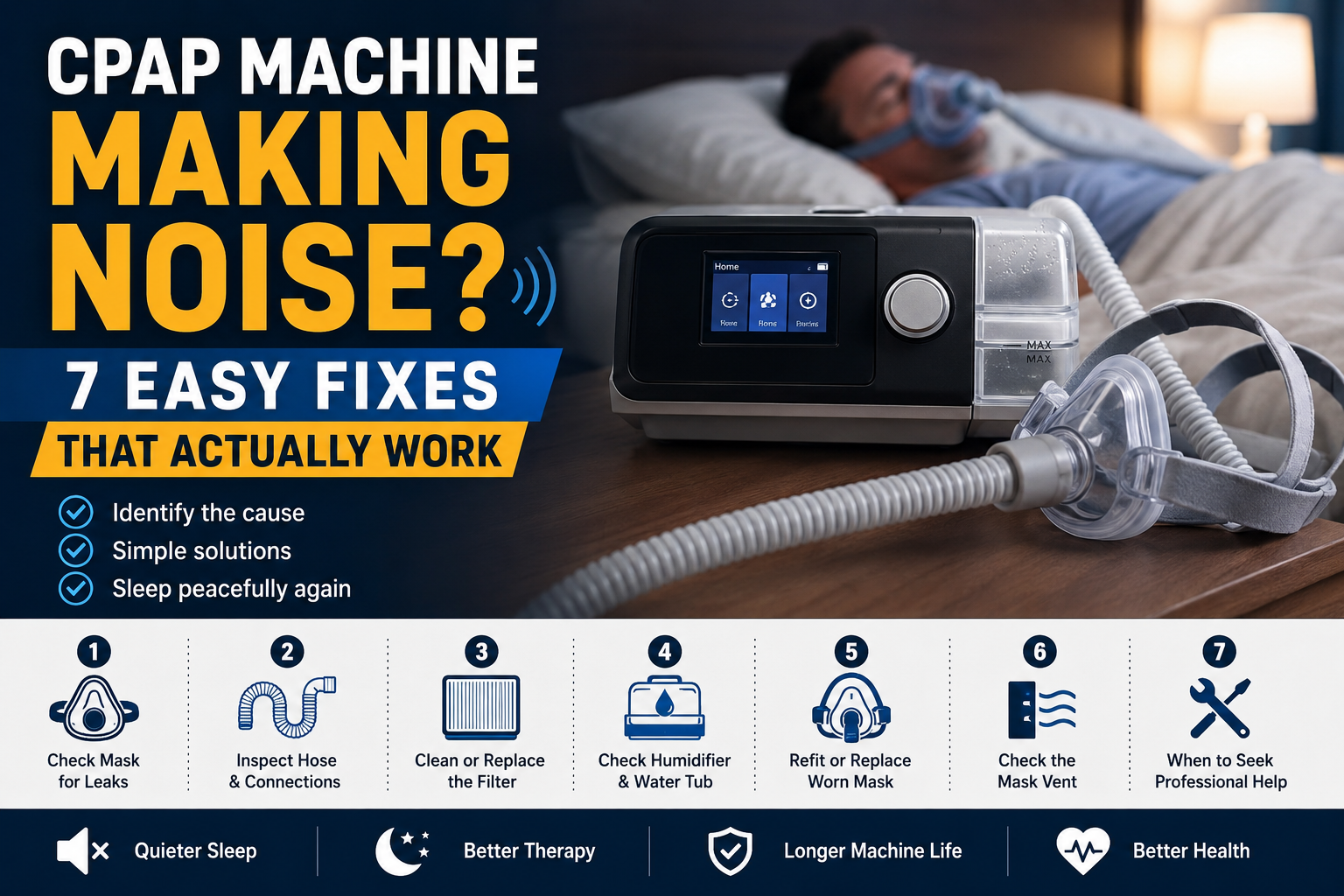
CPAP (Continuous Positive Airway Pressure) therapy uses a CPAP machine to deliver a constant flow of pressurized air through a mask. This airflow keeps airways open, prevents collapse, and ensures uninterrupted breathing during sleep.
CPAP therapy is widely recommended by doctors for sleep apnea and is increasingly used to support patients with lung diseases and chronic respiratory conditions.
How CPAP Helps in Lung Diseases
Improves Airway Stability
Many lung diseases cause airway collapse or narrowing, especially during sleep. CPAP maintains positive pressure, keeping airways open and reducing breathing interruptions.
This is especially helpful for:
- COPD patients
- Sleep apnea sufferers
- Patients with weak respiratory muscles
Enhances Oxygen Levels
Low oxygen saturation is common in lung disease patients. CPAP therapy improves airflow and oxygen delivery to the lungs, helping maintain healthy blood oxygen levels throughout the night.
Better oxygen levels mean:
- Improved organ function
- Reduced morning headaches
- Less fatigue
Reduces Breathing Effort
Lung disease patients often struggle to breathe due to increased airway resistance. CPAP reduces the effort needed to inhale and exhale, making breathing smoother and more natural.
This benefit is critical for elderly patients and those with advanced respiratory disorders.
CPAP for Specific Lung Conditions
CPAP and COPD Management
For patients with Chronic Obstructive Pulmonary Disease, CPAP therapy can:
- Reduce nighttime breathlessness
- Improve sleep quality
- Lower risk of respiratory failure
- Support long-term lung function
Although CPAP is not a cure for COPD, it significantly improves symptom management when used correctly.
CPAP for Sleep Apnea and Lung Health
Sleep apnea directly impacts lung function by causing repeated breathing pauses. CPAP therapy eliminates airway obstruction, allowing lungs to receive continuous oxygen.
Benefits include:
- Reduced apnea episodes
- Improved lung efficiency
- Lower risk of heart and lung complications
CPAP in Pulmonary Edema and Acute Respiratory Conditions
In certain hospital and home-care settings, CPAP is used to manage fluid buildup in the lungs by improving airflow and reducing pressure on the heart and lungs.
Role of CPAP in Overall Respiratory Care
Supports Better Sleep Quality
Poor sleep worsens lung disease symptoms. CPAP therapy ensures uninterrupted breathing, allowing patients to enter deep, restorative sleep cycles.
Better sleep results in:
- Stronger immune response
- Reduced inflammation
- Faster recovery
Prevents Long-Term Complications
Untreated breathing disorders can lead to severe complications such as:
- Heart disease
- Stroke
- Chronic fatigue
- Reduced lung capacity
Regular CPAP use helps prevent these risks and supports long-term respiratory health.
Choosing the Right CPAP Equipment
Selecting the correct CPAP machine and mask is essential for effective treatment. At CPAP.pk, we offer:
- Advanced CPAP and BiPAP machines
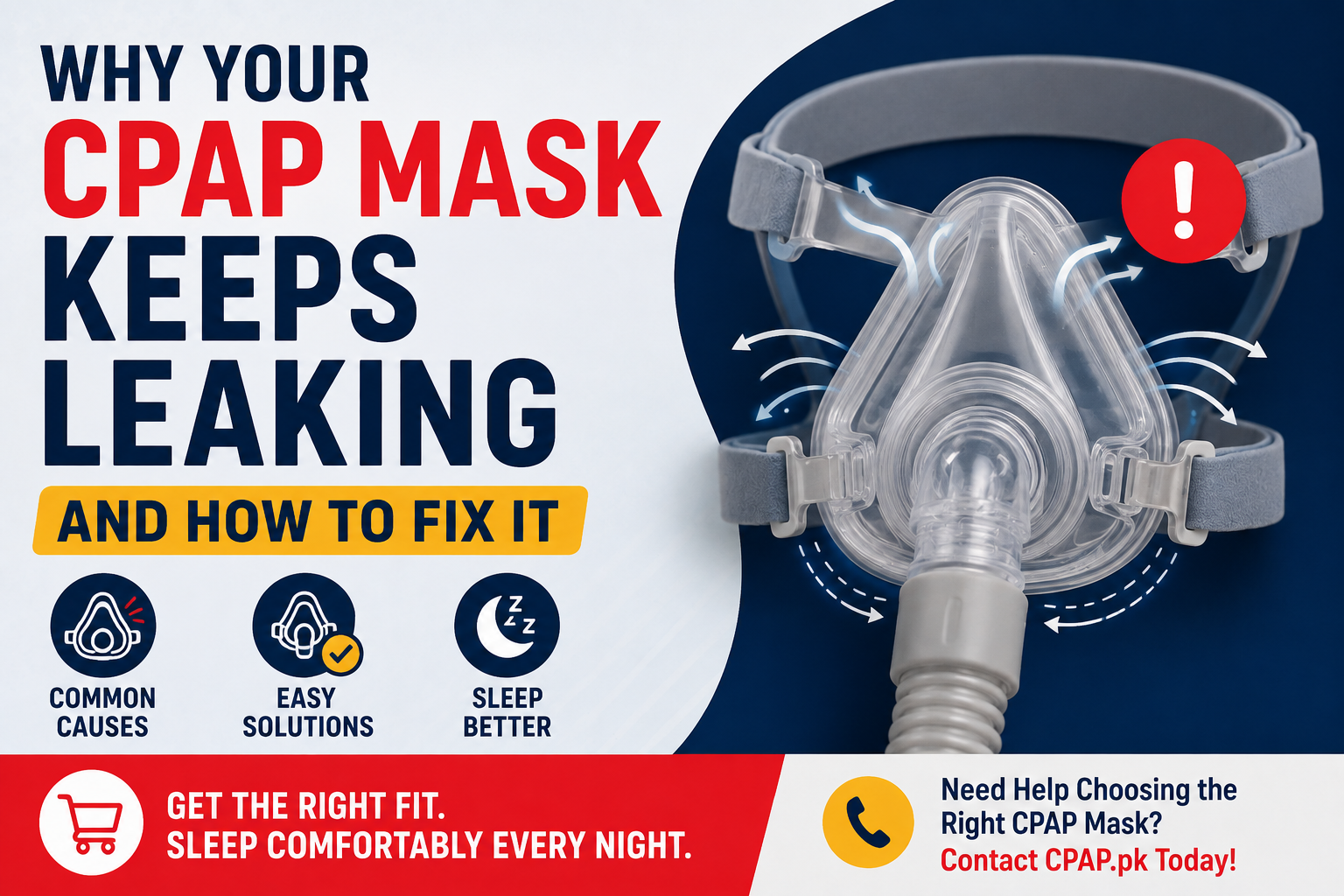
- Comfortable masks for all face types
- Humidifiers to prevent dryness
- Expert guidance for proper usage
Visit https://cpap.pk/ to explore reliable CPAP solutions tailored to your respiratory needs.
Importance of Consistent CPAP Usage
CPAP therapy delivers results only when used regularly. Patients who use CPAP consistently experience:
- Improved lung function
- Fewer hospital visits
- Better energy levels
- Enhanced quality of life
Doctors strongly recommend nightly use for maximum benefits.
Common Concerns About CPAP Therapy
Is CPAP Safe for Lung Disease Patients?
Yes, CPAP is considered safe and effective when prescribed by a healthcare professional. Proper pressure settings are crucial to ensure comfort and safety.
Does CPAP Cure Lung Diseases?
CPAP does not cure lung diseases, but it plays a vital role in managing symptoms, preventing complications, and improving breathing efficiency.
Why Choose CPAP.pk for Respiratory Care?
CPAP.pk is a trusted platform providing high-quality CPAP equipment across Pakistan. We focus on patient comfort, medical reliability, and long-term respiratory support.
What sets us apart:
- Genuine medical-grade devices
- Expert product guidance
- Affordable solutions
- Reliable customer support
Learn more at https://cpap.pk/ and take the first step toward better breathing.
Final Thoughts
Lung diseases and respiratory disorders can significantly impact daily life, but the right treatment makes a real difference. CPAP therapy is a proven, effective solution for improving airflow, supporting lung health, and enhancing overall respiratory care.
If you or a loved one is struggling with breathing issues, CPAP therapy from CPAP.pk can help restore comfort, sleep quality, and long-term health.